
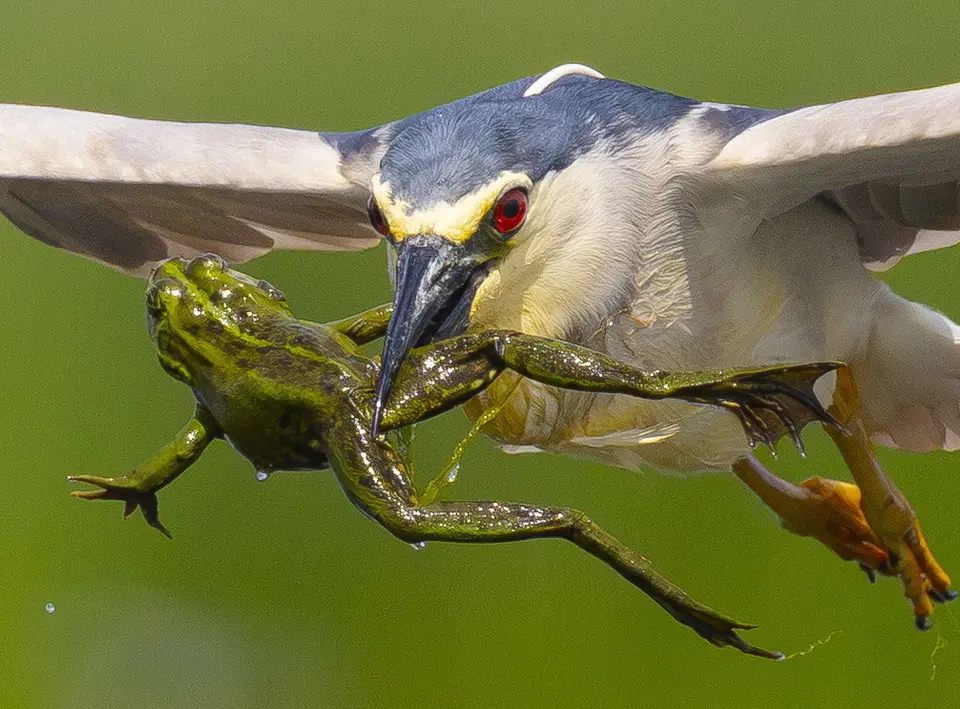
Danube Delta Wildlife Species Guide
Expert field notes on the Delta's most sought-after birds — identification, best seasons, where to find them, and photography advice from 30 years of guided wildlife cruises.
Wildlife of the Danube Delta — One of Europe's Most Biodiverse Wetlands
The Danube Delta is a UNESCO Biosphere Reserve covering approximately 5,800 km² across south-eastern Romania. It is one of Europe's largest and most important wetlands, recognised as a Ramsar Site and Important Bird Area (IBA RO001) by BirdLife International. Over 360 bird species have been recorded in the delta — roughly half of all species documented across Europe.
Ibis Tours has led expert-guided wildlife cruises in the Danube Delta since 1995, documenting breeding, wintering and migratory species across all core habitats: reedbeds, shallow lakes, wooded channels, sandbanks and open water. Our species guides are built from first-hand field observations, annual monitoring records and peer-reviewed population data.
Each guide covers identification (plumage, size, behaviour), when and where to find the species in the delta, ecology and habitat requirements, IUCN conservation status, current population estimates (with the caveat that numbers vary annually according to international monitoring programmes), and photography tips from our guide and photographer Daniel Petrescu, published in National Geographic UK in 2025.
Flagship species include the Dalmatian Pelican (Pelecanus crispus, Vulnerable), White-tailed Eagle (Haliaeetus albicilla), Pygmy Cormorant, Red-breasted Goose (Vulnerable), and Ferruginous Duck (Near Threatened). The full guide covers 18 species across herons, raptors, waterfowl, terns, bee-eaters and rollers.
Browse by Type
IUCN Status Key
- VU Vulnerable — global population at risk
- NT Near Threatened — approaching at-risk criteria
- LC Least Concern — stable population
18 Species Field Guides
 VU
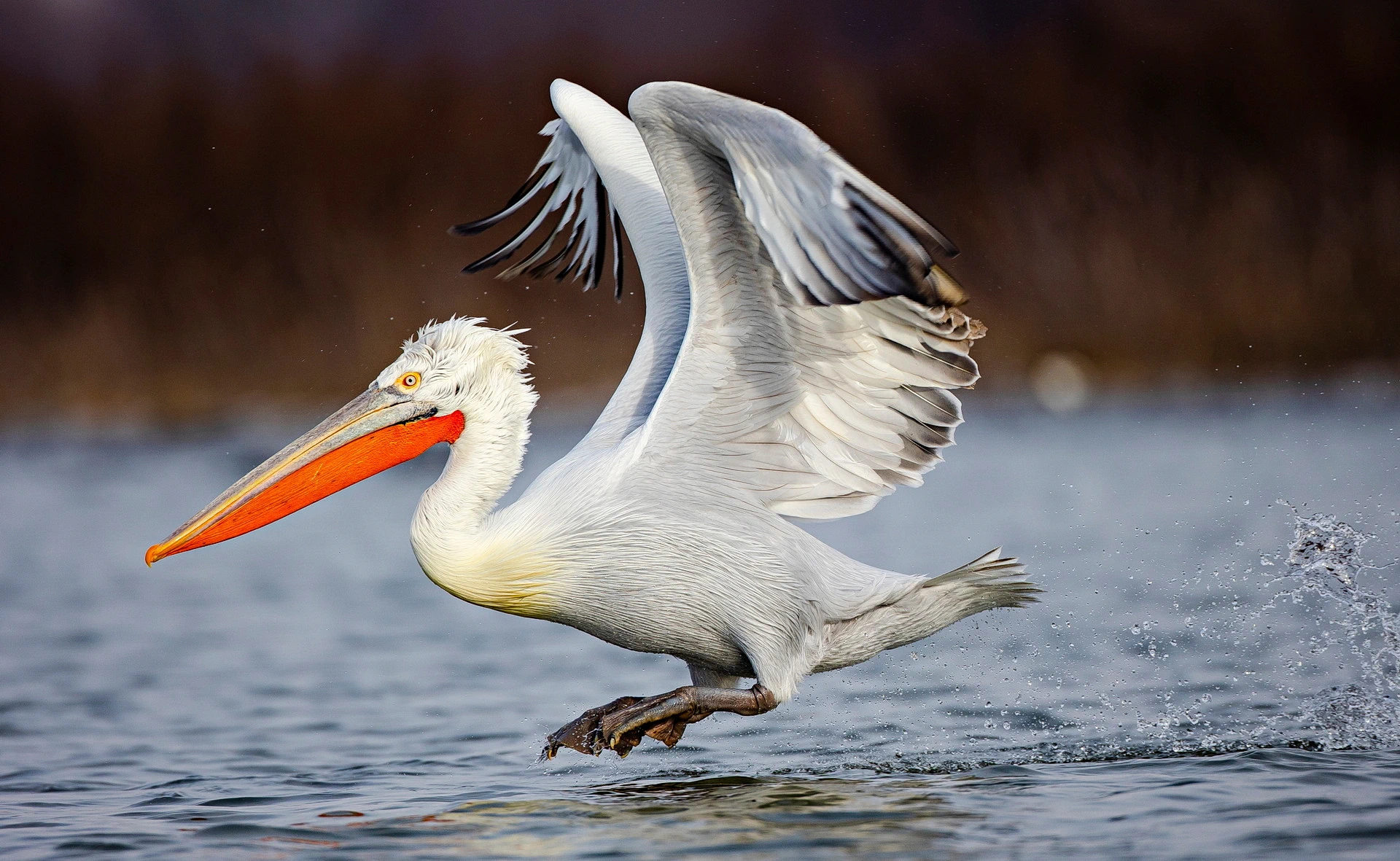
VU🦢Pelicans
Dalmatian Pelican
Pelecanus crispus
~450–500 breeding pairs in Romania — one of Europe's most important colonies. Sighting rate: very high (May–Jun).
Species Guide →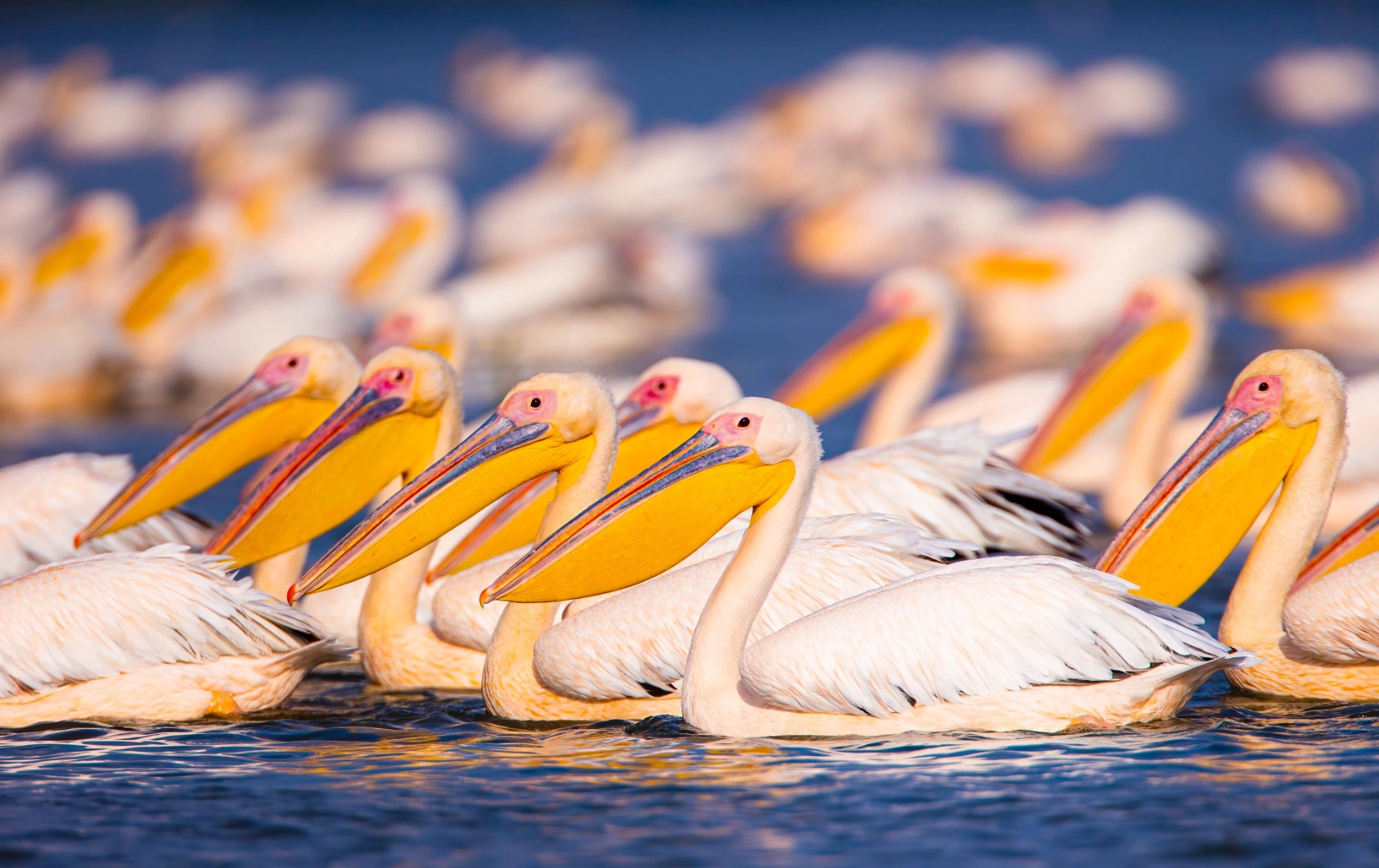 LC
LC🦢Pelicans
Great White Pelican
Pelecanus onocrotalus
3,000–4,000 pairs breed in the delta — one of Europe's largest colonies. Best: April–September.
Species Guide →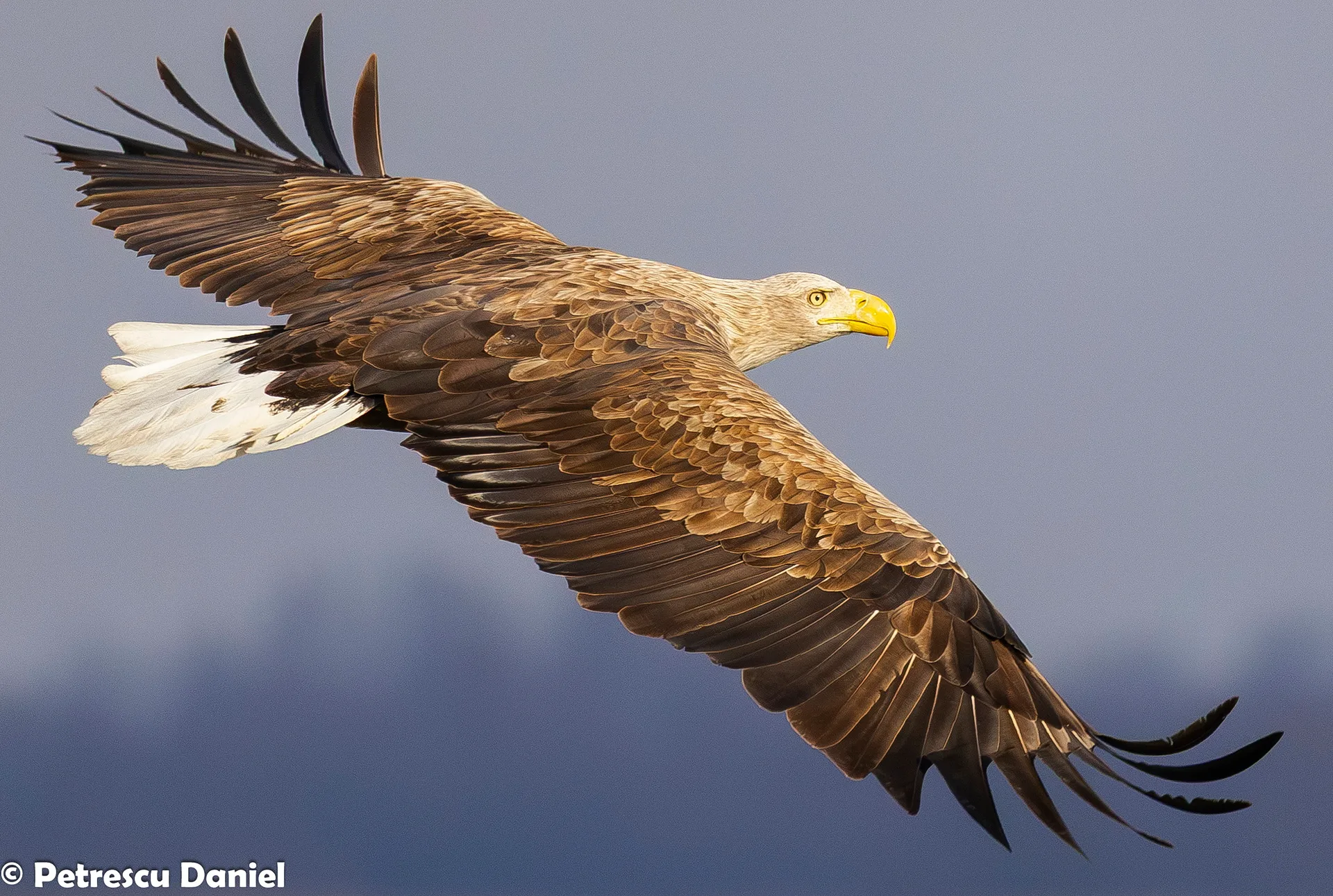 LC
LC🦅Eagles
White-tailed Eagle
Haliaeetus albicilla
Europe's largest eagle — 2.45m wingspan. 200–300 resident pairs. Sighting rate: 90%+ (Apr–Jun).
Species Guide →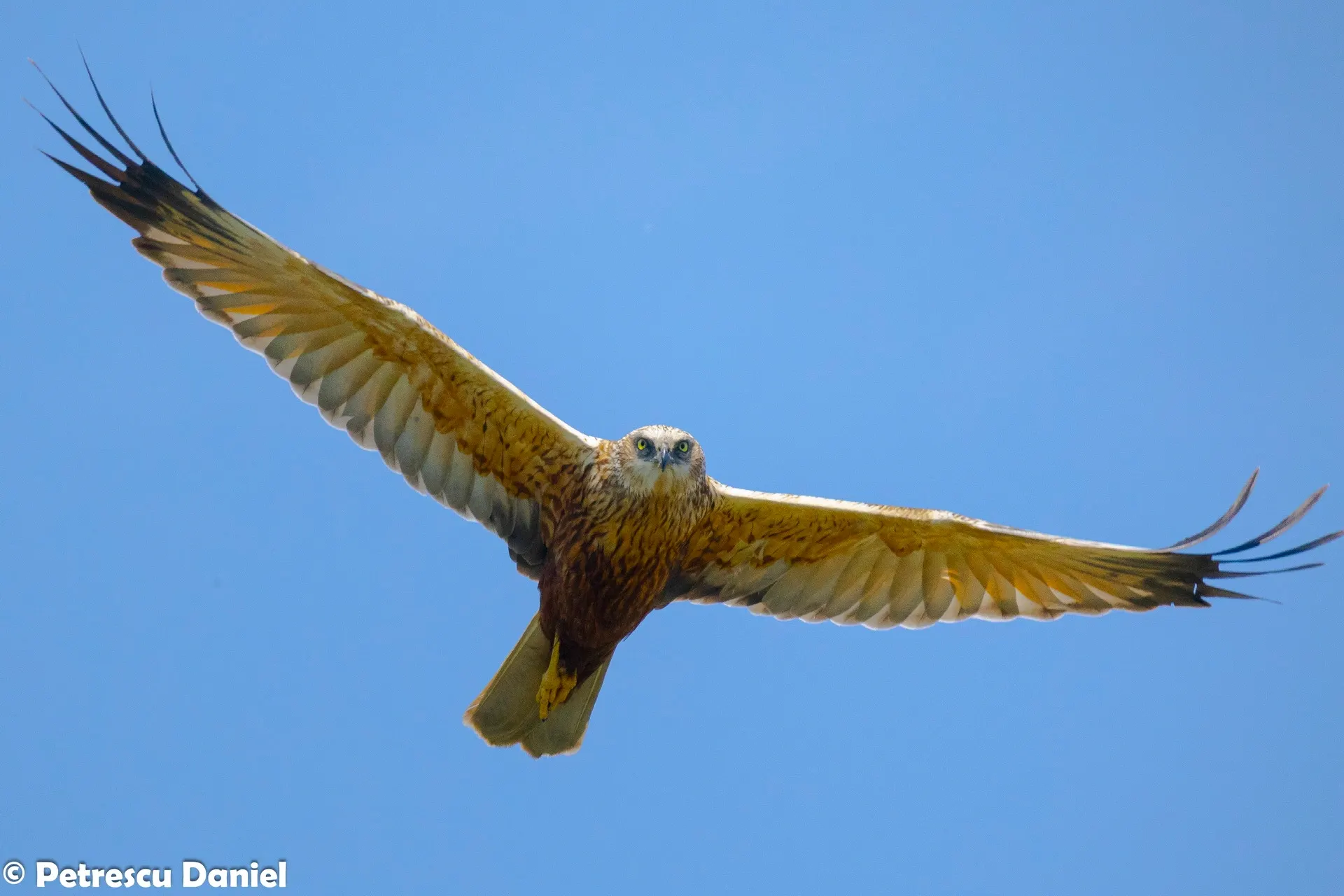 LC
LC🦅Raptors
Marsh Harrier
Circus aeruginosus
2,000–4,000 pairs — the delta's most common raptor. Seen quartering reed beds on every spring excursion.
Species Guide →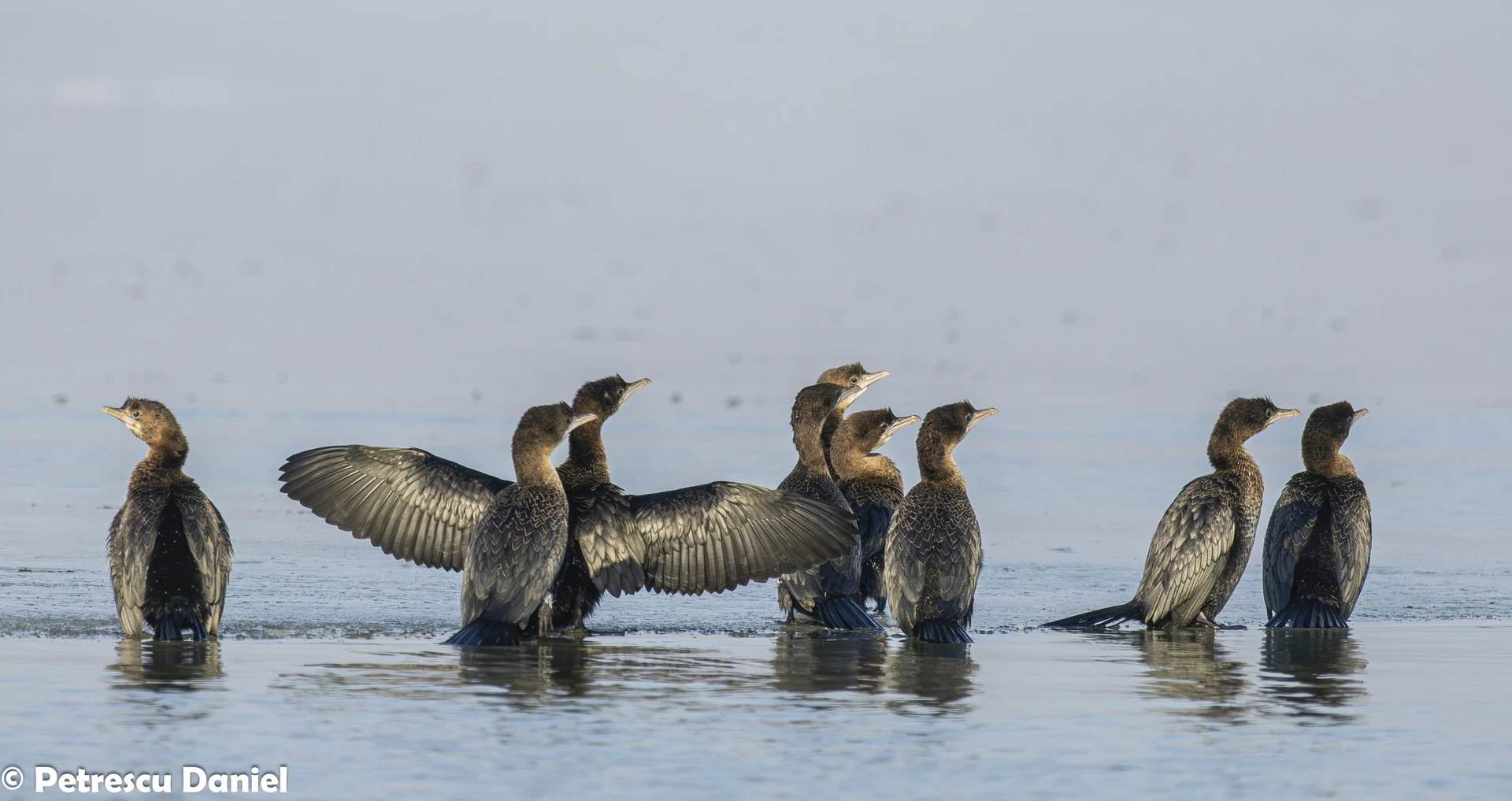 LC
LC🐦Cormorants
Pygmy Cormorant
Microcarbo pygmaeus
Romania holds the largest Pygmy Cormorant colony in the EU. Sighting rate: 90%+ (May). Mar–Oct.
Species Guide →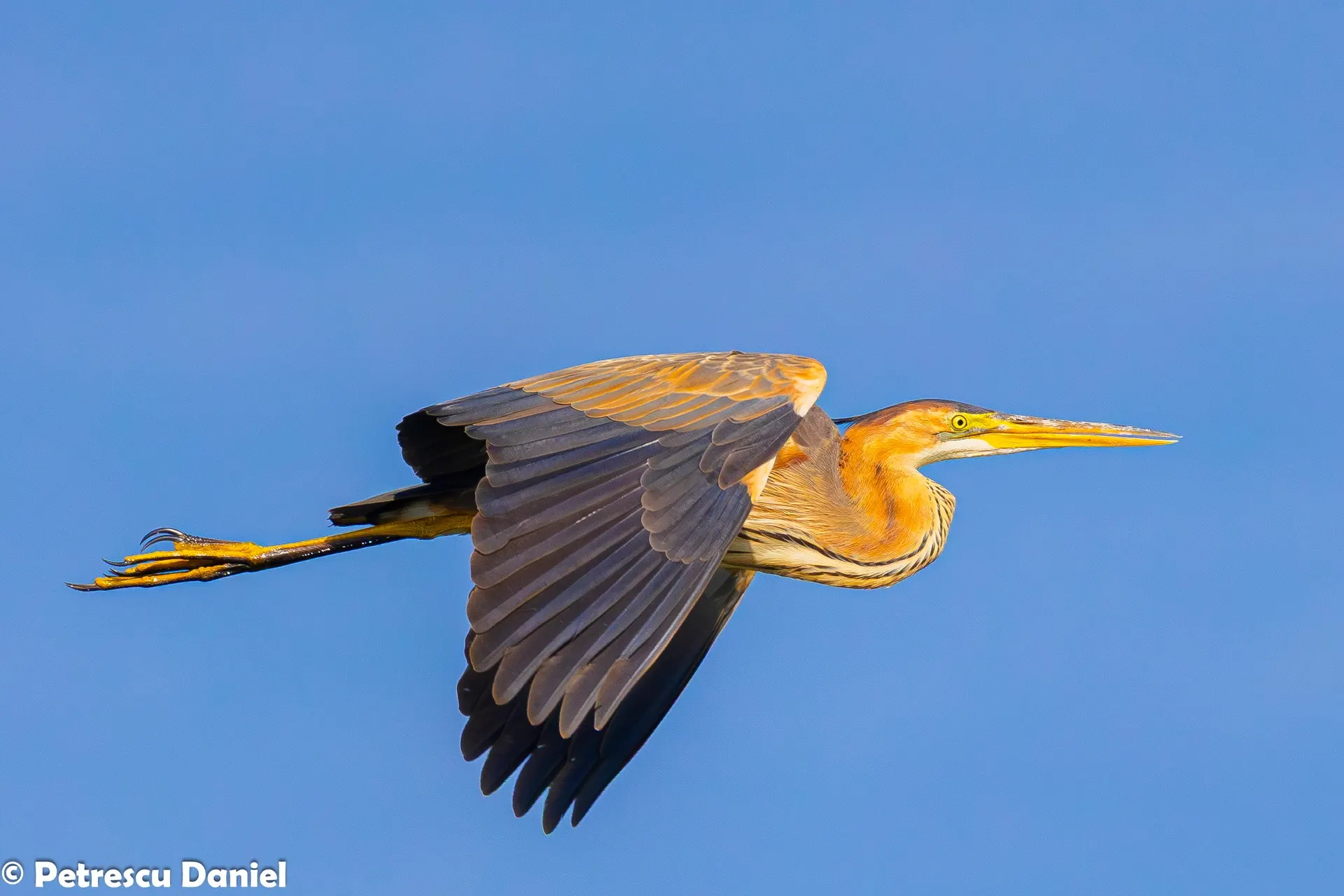 LC
LC🦩Herons
Purple Heron
Ardea purpurea
3,000–5,000 breeding pairs in the delta reed beds. Slender, secretive cousin of Grey Heron. 90%+ (May).
Species Guide →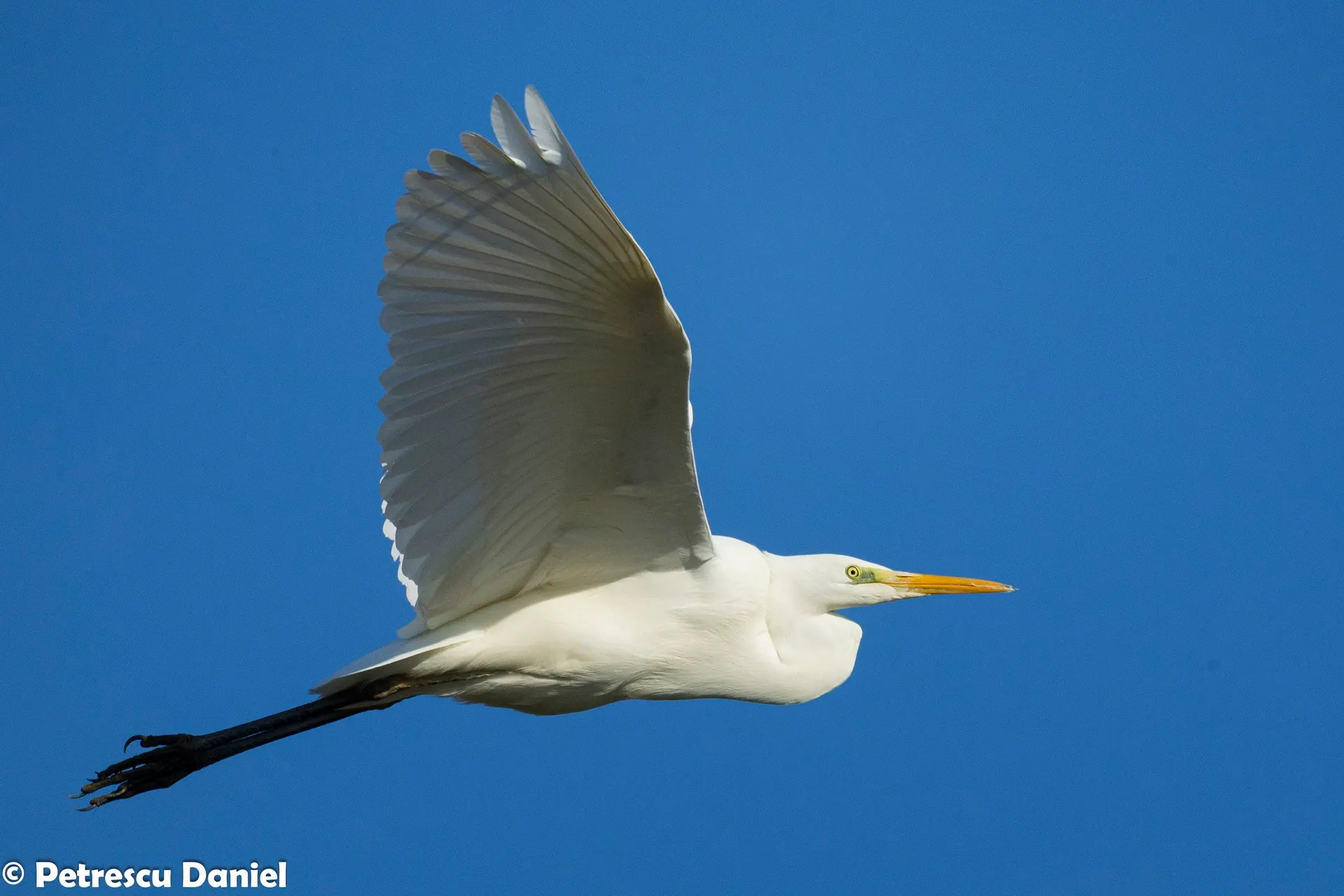 LC
LC🕊️Herons
Great Egret
Ardea alba
5,000–8,000 pairs — the most visible white bird in the delta. Sighting rate: 98%+ year-round.
Species Guide →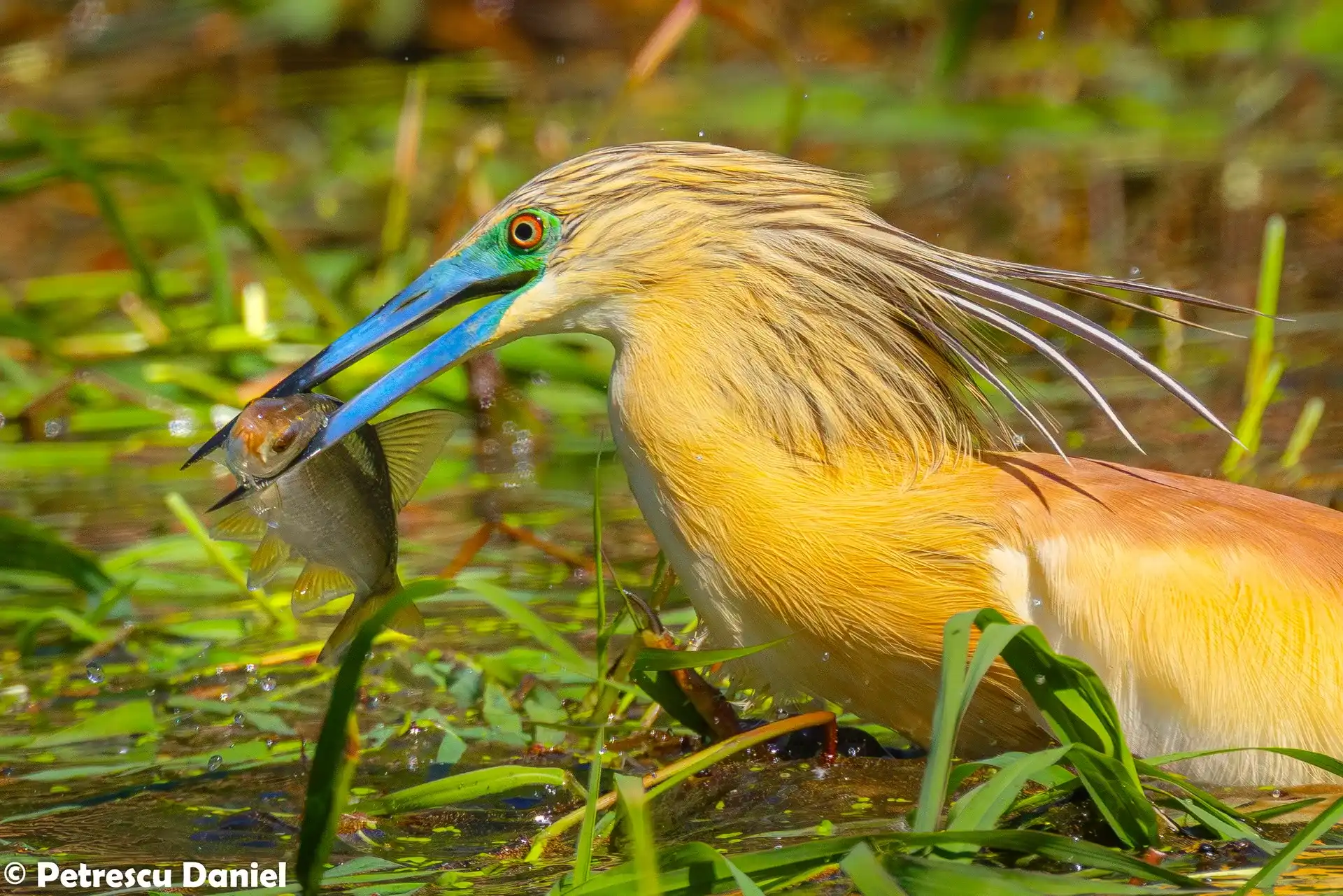 LC
LC🦩Herons
Squacco Heron
Ardeola ralloides
2,000–4,000 pairs. Drab brown at rest, brilliant white in flight — one of the delta's most striking birds.
Species Guide →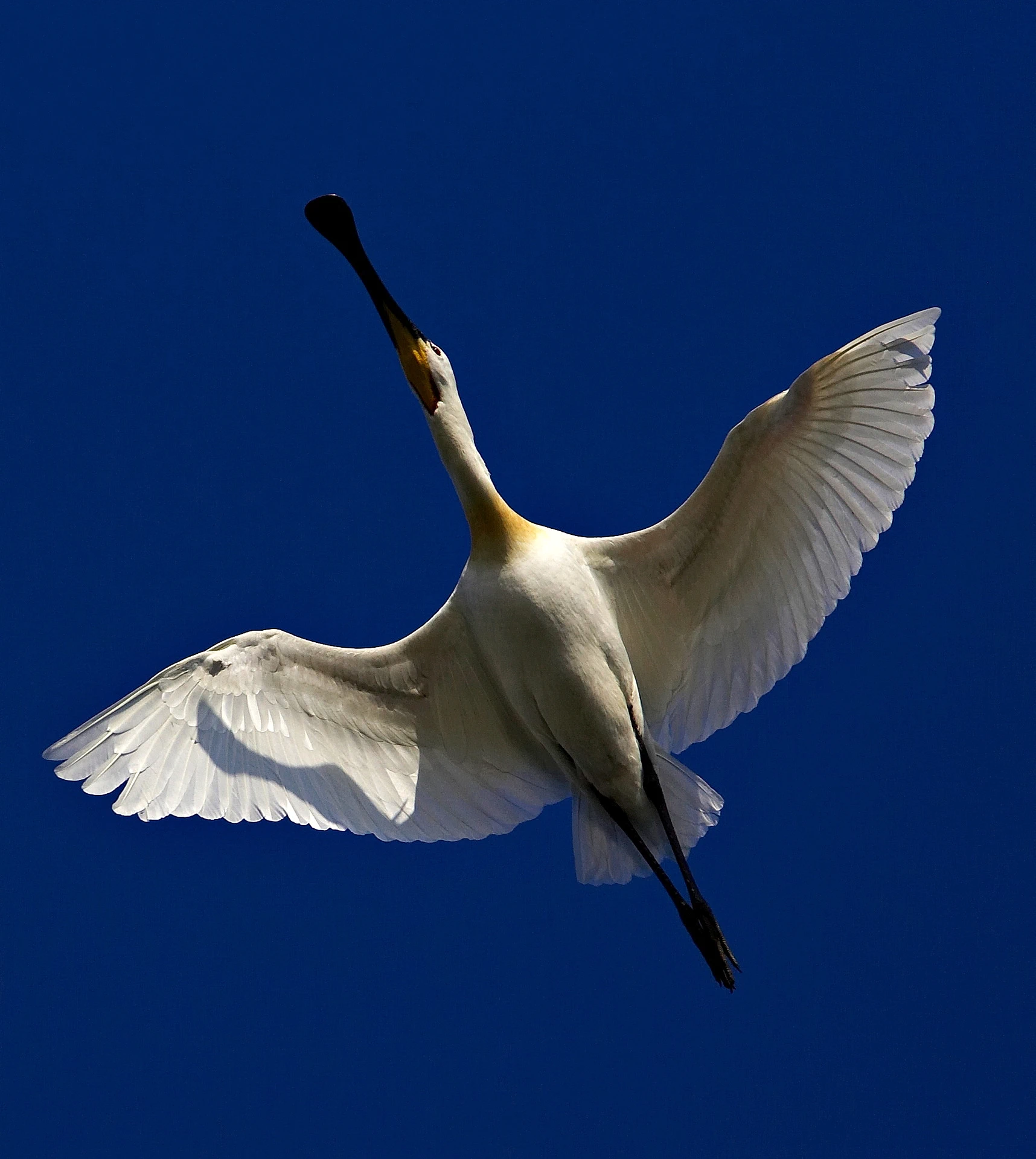 LC
LC🦢Ibises
Eurasian Spoonbill
Platalea leucorodia
300–600 breeding pairs. Unmistakable spatula bill. Sighting rate: 70%+ (May). Apr–Sep.
Species Guide →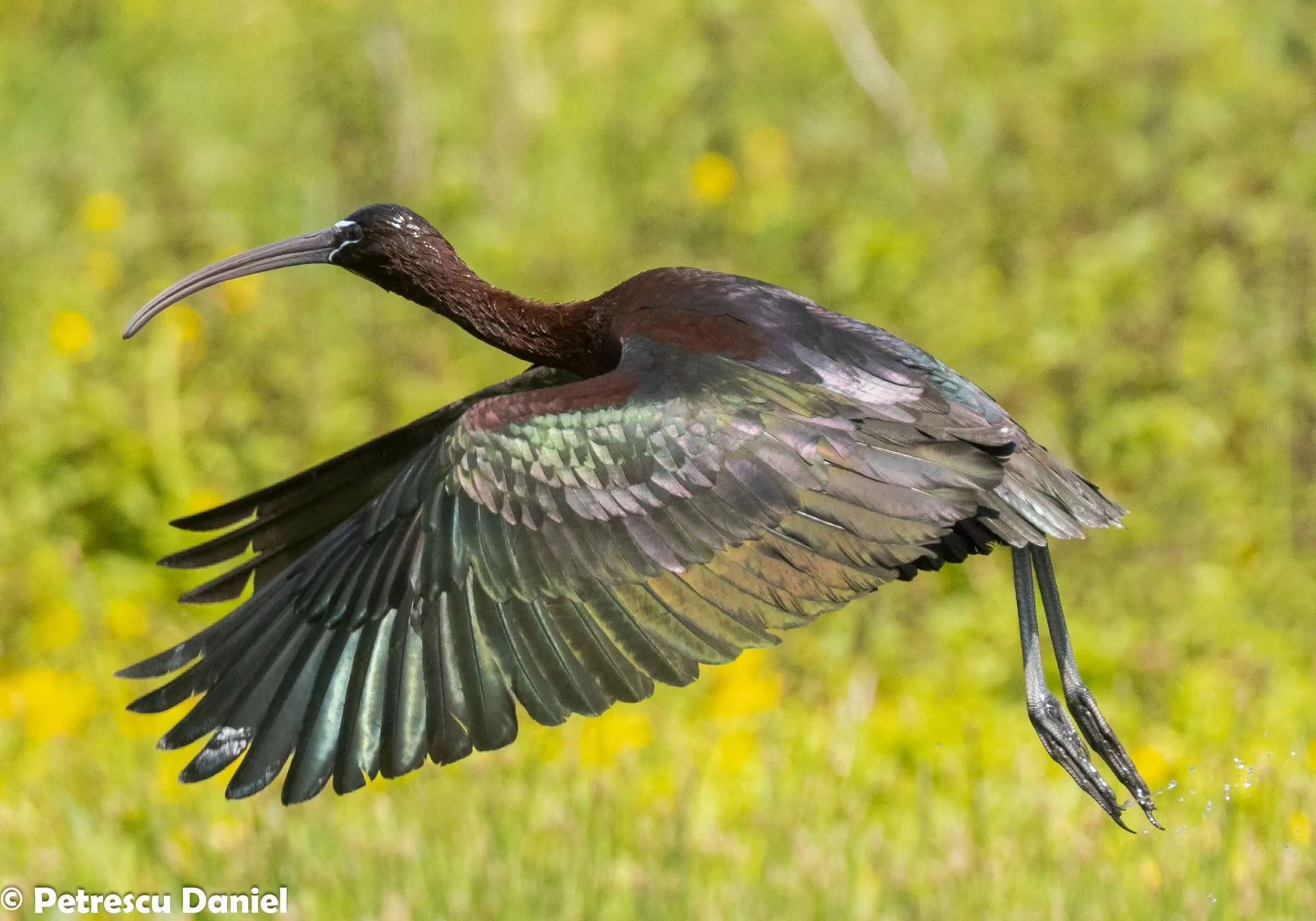 LC
LC🦩Ibises
Glossy Ibis
Plegadis falcinellus
500–1,500 pairs — spectacular bronze-green iridescence in sunlight. Nests colonially in delta margins. 80%+ (May).
Species Guide →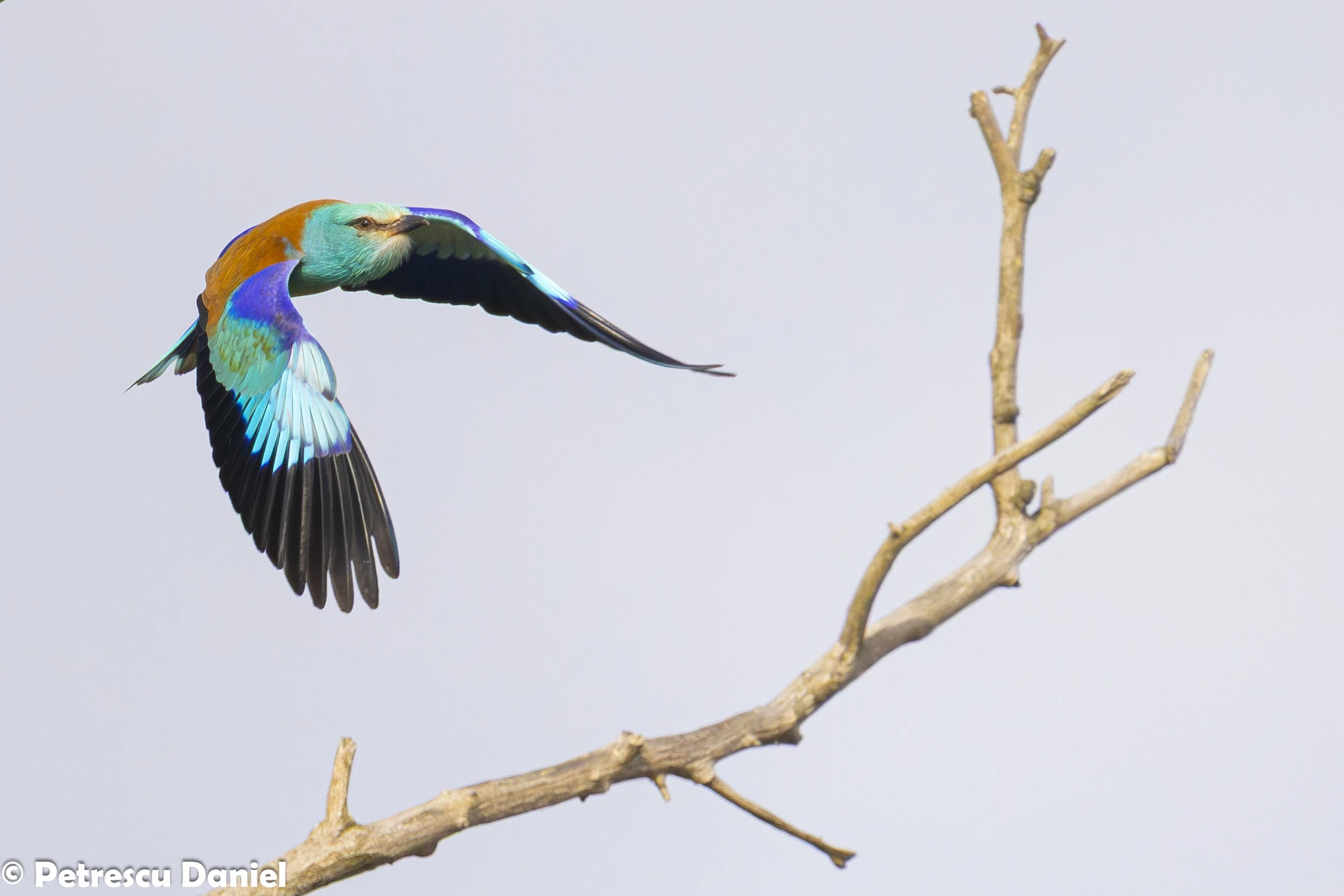 LC
LC🎨Rollers
European Roller
Coracias garrulus
1,000–3,000 pairs — Romania's most electric bird. Turquoise and chestnut, perching on wires. 85%+ (May–Jun).
Species Guide →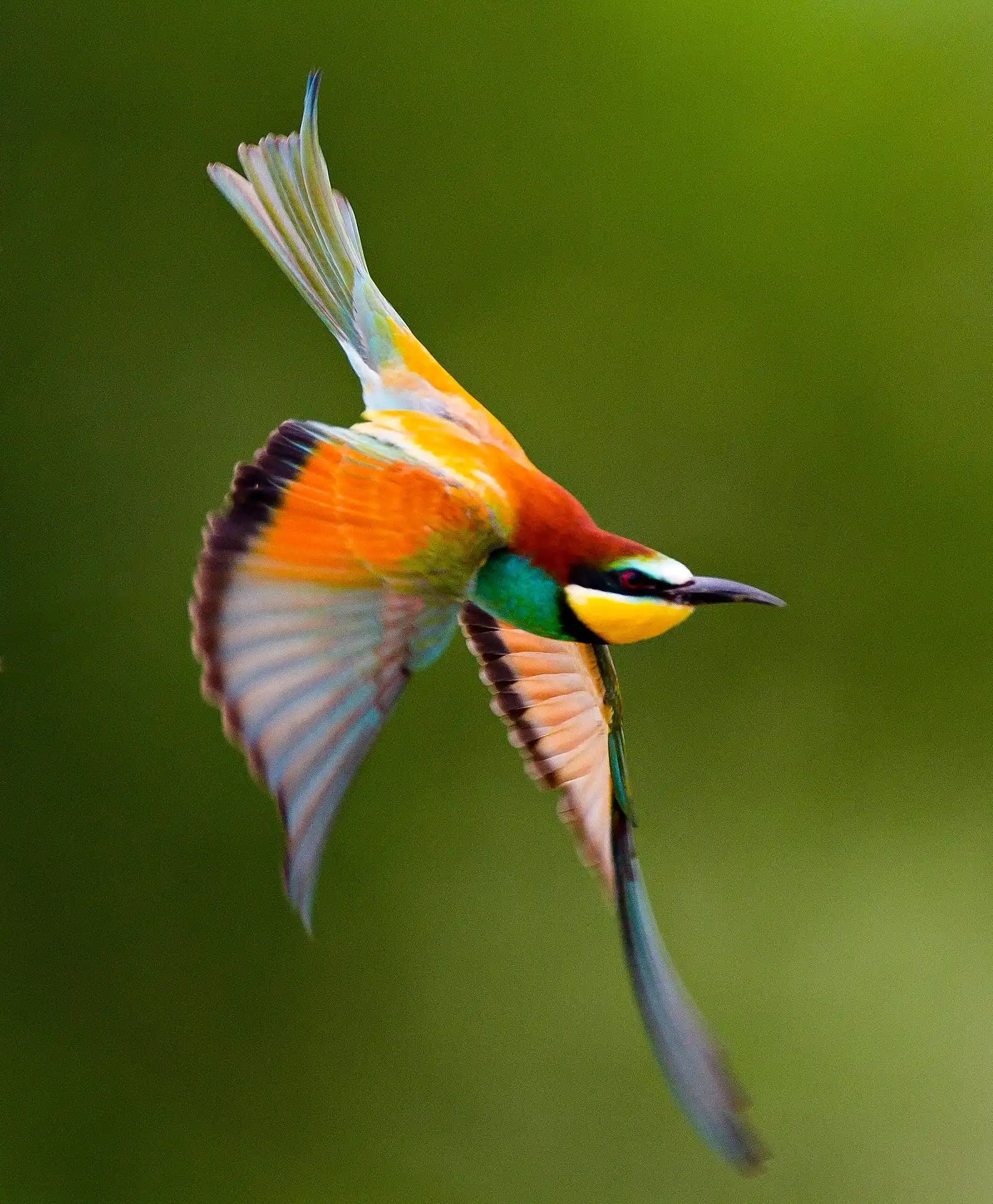 LC
LC🌈Bee-eaters
European Bee-eater
Merops apiaster
5,000–20,000 pairs in Romania. Nesting colonies in sandy canal banks. Sighting rate: 90%+ (May–Jun).
Species Guide →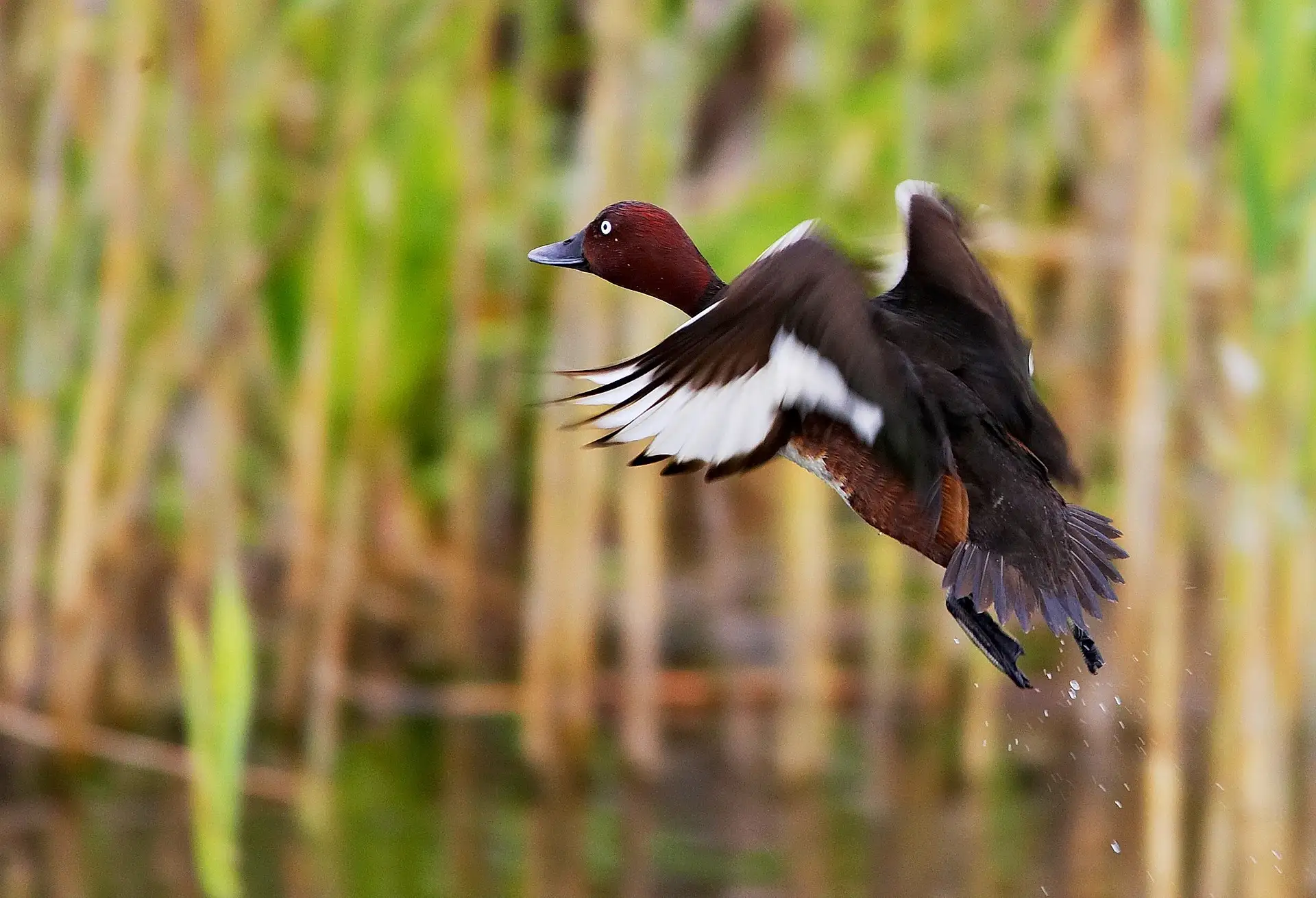 NT
NT🦆Ducks
Ferruginous Duck
Aythya nyroca
1,000–3,000 pairs — one of Europe's last strongholds for this Near Threatened species. 70%+ (May).
Species Guide →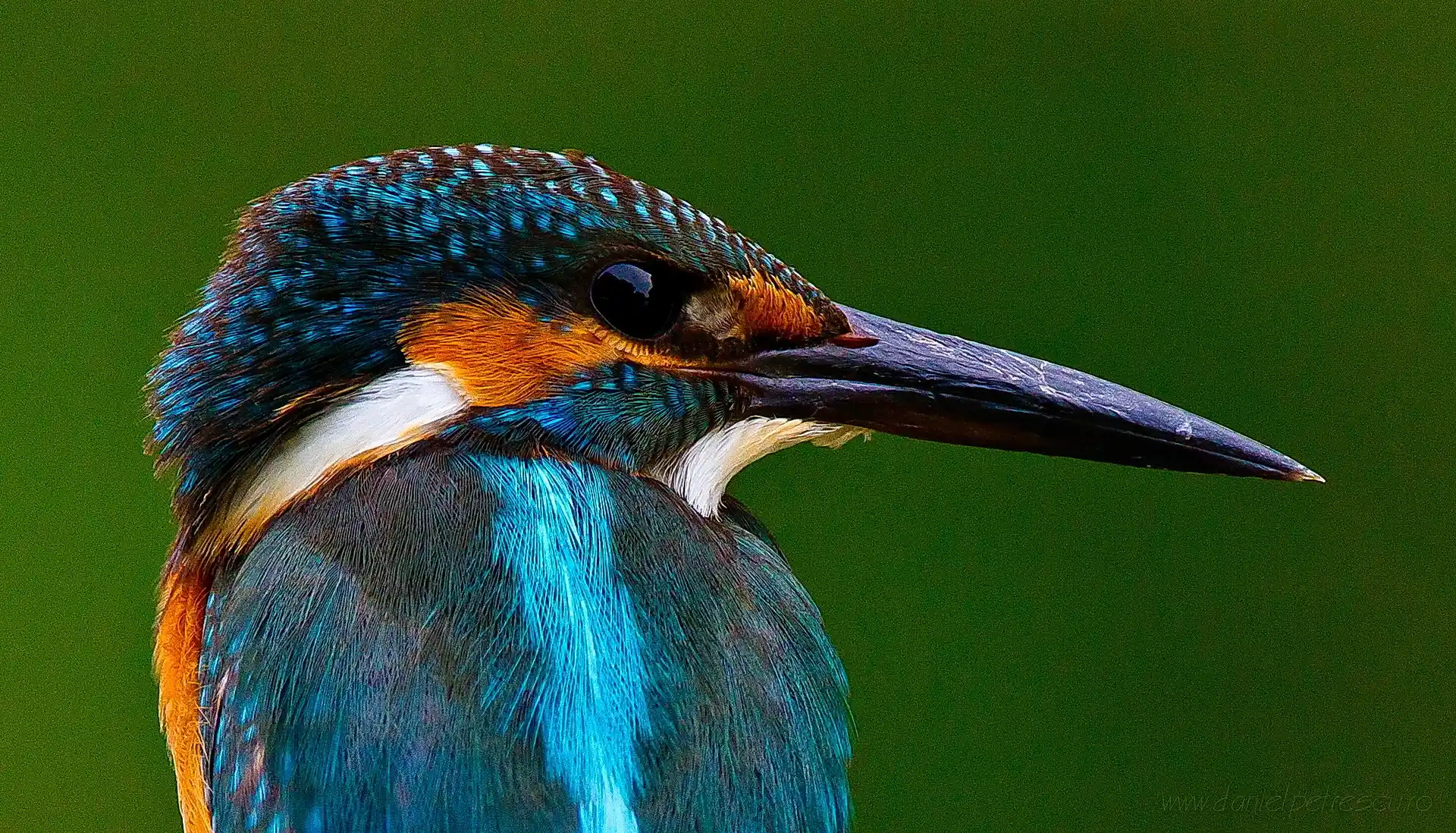 LC
LC💎Kingfishers
Common Kingfisher
Alcedo atthis
Very common — thousands of pairs. Highest Kingfisher density in Europe. Seen on 98%+ of all excursions.
Species Guide →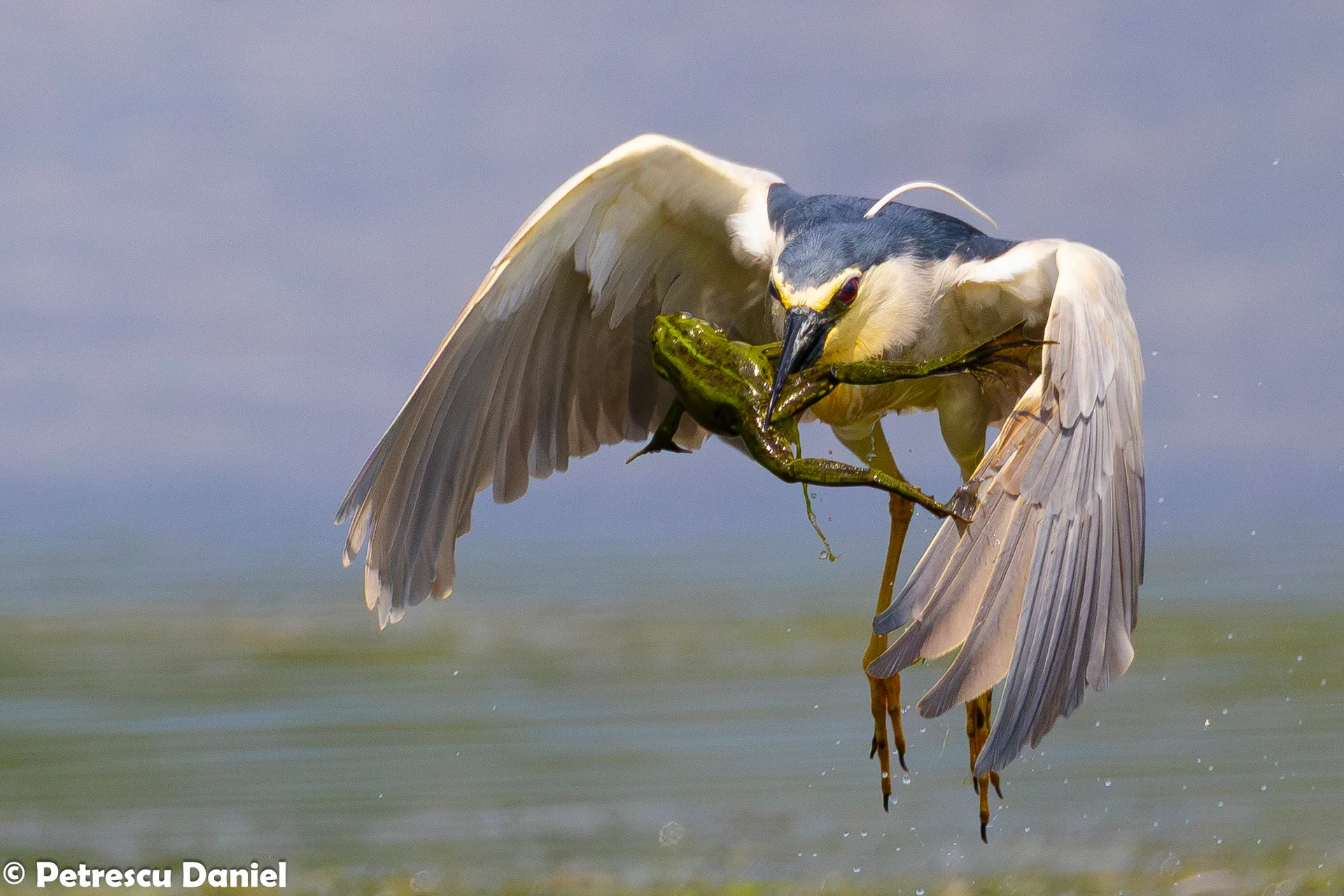 LC
LC🌙Herons
Night Heron
Nycticorax nycticorax
3,000–8,000 pairs. The real show begins at dusk from an anchored vessel. 90%+ on evening excursions.
Species Guide →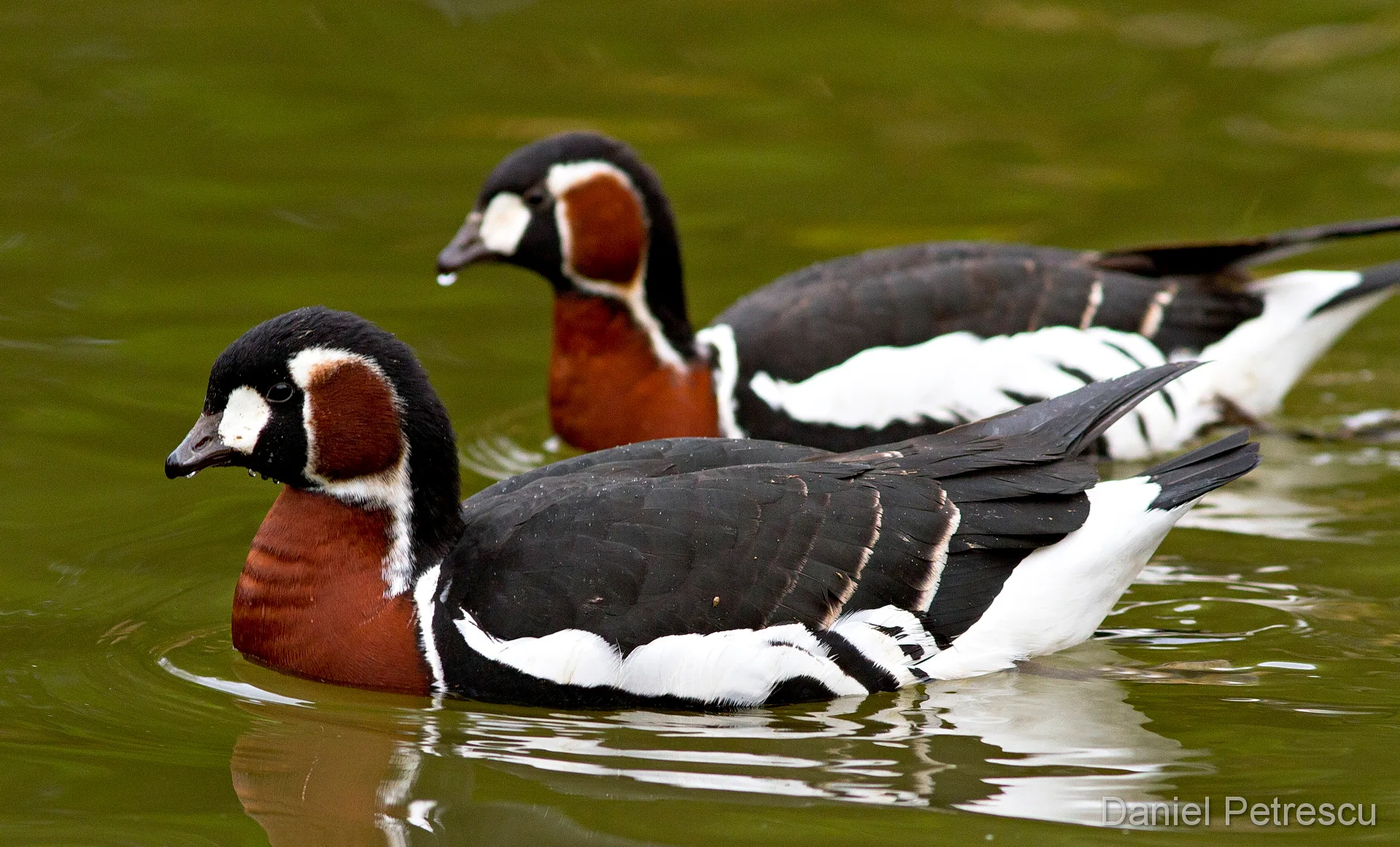 VU
VU🪿Geese
Red-breasted Goose
Branta ruficollis
8,000–24,000 winter visitors — globally Vulnerable Arctic goose. Romania hosts world-class winter flocks. 85%+ (Dec–Jan).
Species Guide →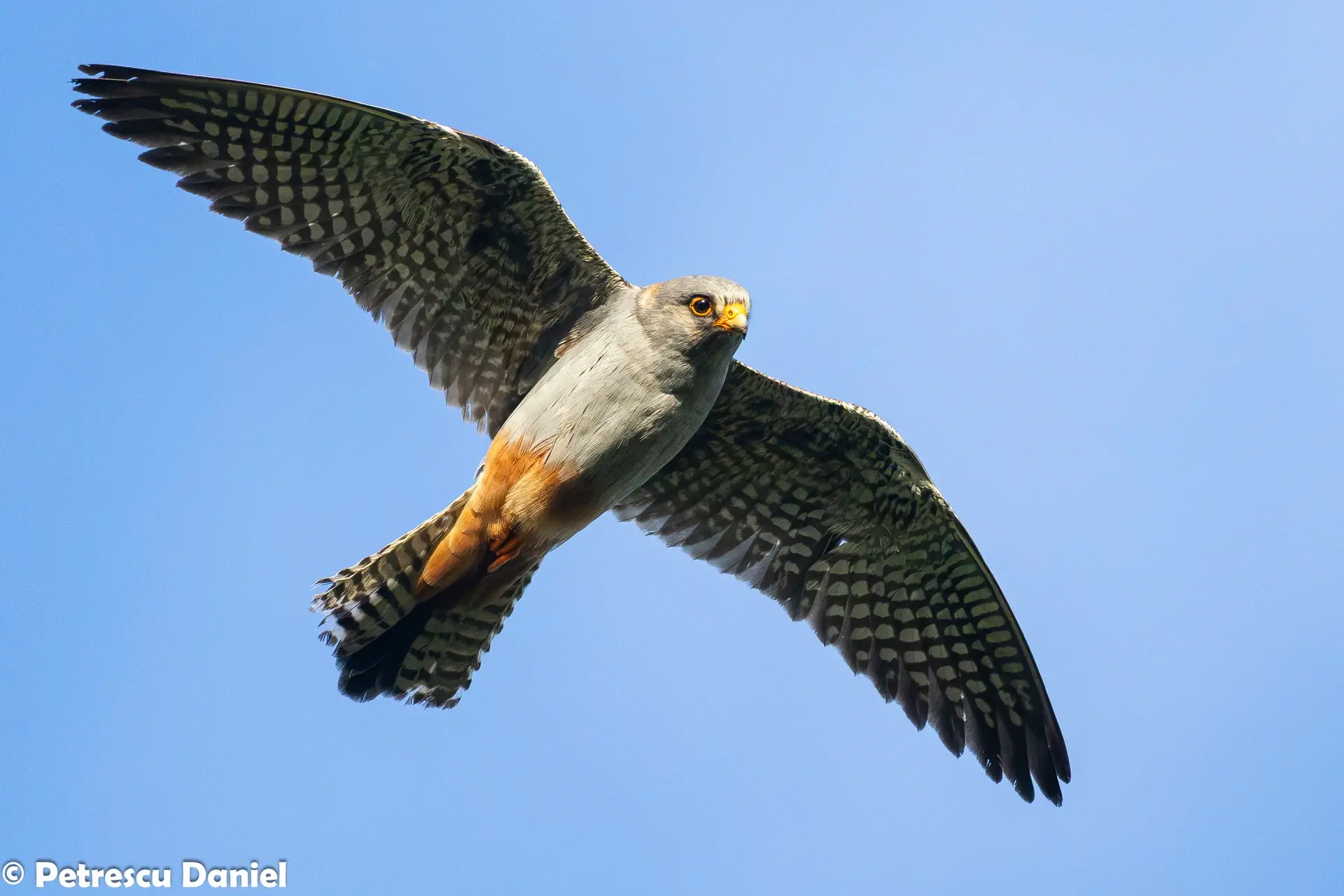 NT
NT🦅Falcons
Red-footed Falcon
Falco vespertinus
500–2,000 pairs breeding + large passage flocks. Near Threatened. Romania is one of Europe's best sites. 80%+ (May–Jun).
Species Guide →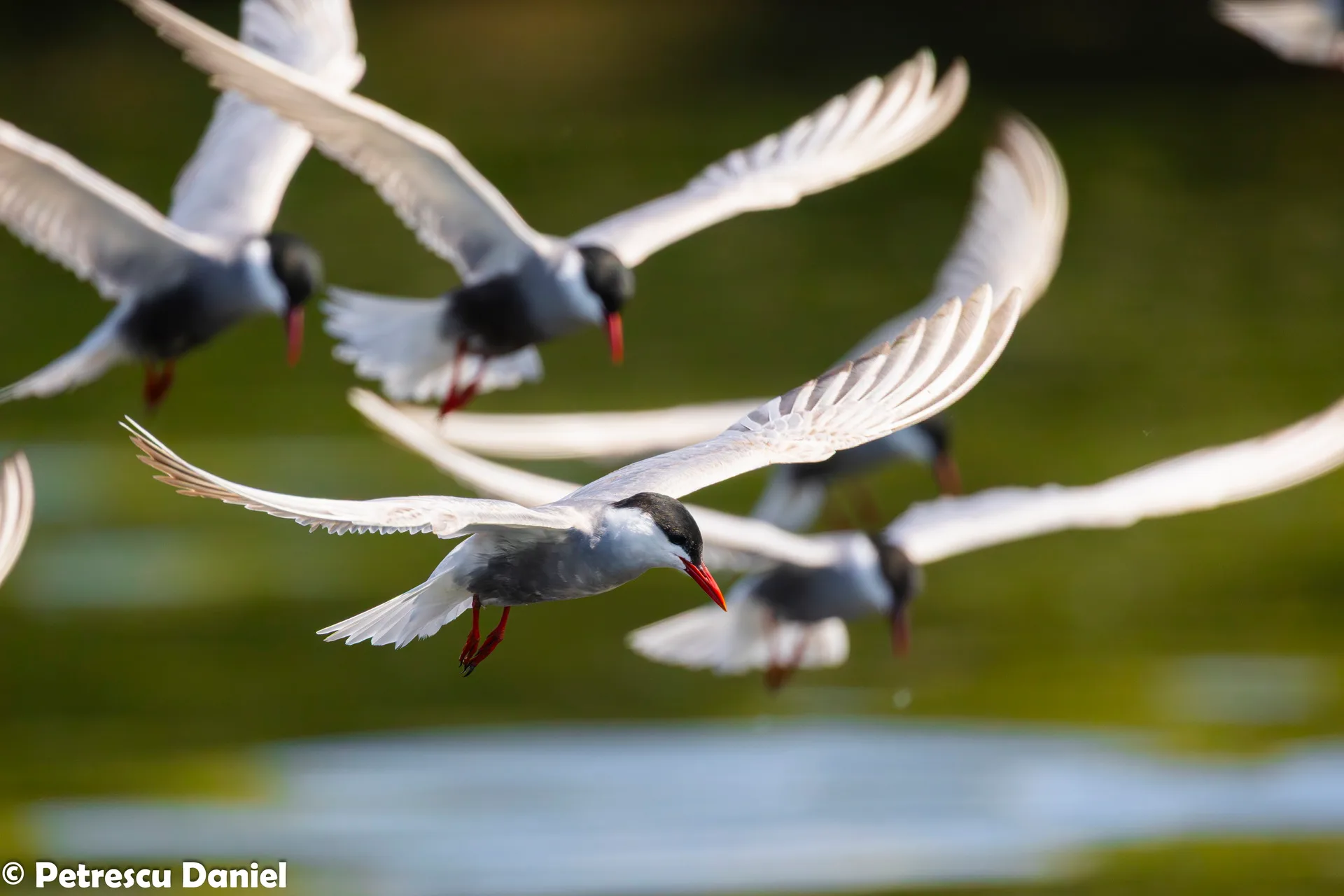 LC
LC🕊️Terns
Whiskered Tern
Chlidonias hybrida
16,000–20,000 pairs — black cap, white whiskers. Most common marsh tern in Romania. 95%+ (May–Jul).
Species Guide →Data Sources & Conservation Monitoring
Population figures in these guides are sourced from: IUCN Red List of Threatened Species (species status and global population estimates), BirdLife International (European population data and Important Bird Area records), ARBDD — Administration of the Danube Delta Biosphere Reserve (annual breeding colony monitoring), Wetlands International (waterbird census data), and the Romanian Ornithological Society (SOR) (national observation records). All figures represent the best available data at time of publication; numbers vary annually according to monitoring programmes and environmental conditions.
For the most current population data, refer directly to the IUCN Red List and BirdLife International.