Wildlife guide · Romania
Mammals of Romania –
Interactive Checklist
Romania hosts one of the most diverse mammal faunas in Central and Eastern Europe, shaped by a wide variety of natural habitats. From the extensive forests of the Carpathian Mountains to alpine grasslands, steppe landscapes and the wetlands of the Danube Delta, each region supports distinct mammal communities.
The interactive checklist below brings together species confirmed in Romania based on modern faunistic syntheses and international zoological databases. Filters allow users to explore mammals by habitat, trophic level or ecological status.
Habitats and key regions
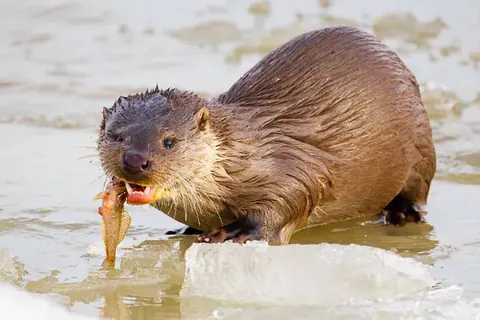
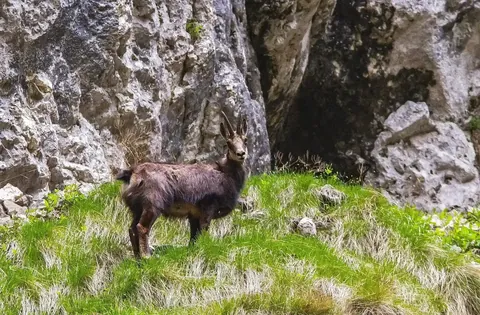
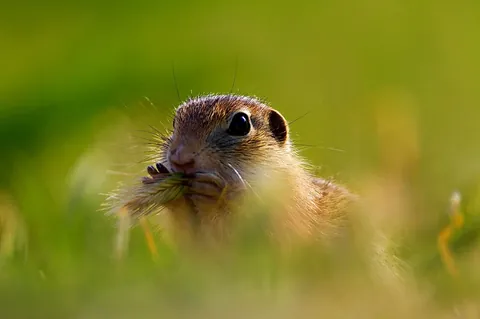
Romanian mammals occupy a broad range of ecosystems. The Carpathians host mountain forests and alpine zones inhabited by large carnivores and high-altitude species such as chamois or marmots. Lowland and steppe areas are important for ground squirrels, hamsters and steppe specialists. Wetlands and the Danube Delta are crucial habitats for otters, European mink and semi-aquatic rodents. The Black Sea is home to three cetacean species including the common dolphin and bottlenose dolphin.
Representative species
Using the interactive checklist
The dataset can be filtered by habitat (forest, alpine, wetlands, steppe, marine), trophic level (carnivore, herbivore, omnivore, insectivore) and status (native, reintroduced, rare). This structure helps wildlife enthusiasts and nature photographers quickly identify mammals characteristic of different regions of Romania.
Interactive Mammal Checklist of Romania
Complete checklist of 49 species — filter by order, habitat, trophic level or conservation status.
Showing 46 of 46 species
| ✓ | # | Scientific Name | English Name | Order | Habitat | Trophic | Status |
|---|---|---|---|---|---|---|---|
| 1 | Erinaceus roumanicus | Eastern Hedgehog | Eulipotyphla | Forest & steppe | Insectivore | Native | |
| 2 | Talpa europaea | European Mole | Eulipotyphla | Forest & meadow | Insectivore | Native | |
| 3 | Sorex araneus | Common Shrew | Eulipotyphla | Forest | Insectivore | Native | |
| 4 | Neomys fodiens | Water Shrew | Eulipotyphla | Wetlands | Insectivore | Native | |
| 5 | Rhinolophus ferrumequinum | Greater Horseshoe Bat | Chiroptera | Caves & forest | Insectivore | Native | |
| 6 | Rhinolophus hipposideros | Lesser Horseshoe Bat | Chiroptera | Caves & forest | Insectivore | Native | |
| 7 | Myotis myotis | Greater Mouse-eared Bat | Chiroptera | Forest | Insectivore | Native | |
| 8 | Myotis blythii | Lesser Mouse-eared Bat | Chiroptera | Forest | Insectivore | Native | |
| 9 | Myotis daubentonii | Daubenton's Bat | Chiroptera | Wetlands | Insectivore | Native | |
| 10 | Nyctalus noctula | Noctule Bat | Chiroptera | Forest | Insectivore | Native | |
| 11 | Pipistrellus pipistrellus | Common Pipistrelle | Chiroptera | Urban & forest | Insectivore | Native | |
| 12 | Miniopterus schreibersii | Schreiber’s Bat | Chiroptera | Caves | Insectivore | Native | |
| 13 | Barbastella barbastellus | Western Barbastelle | Chiroptera | Forest | Insectivore | Native | |
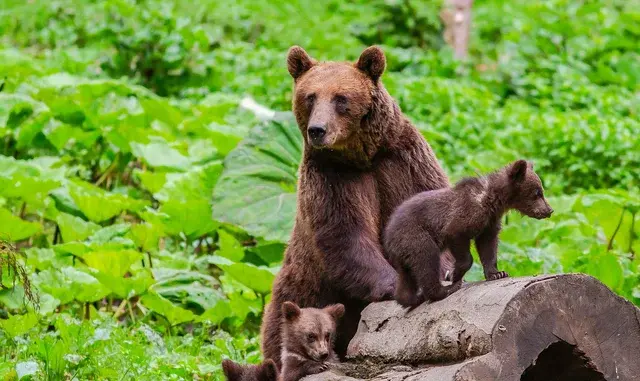
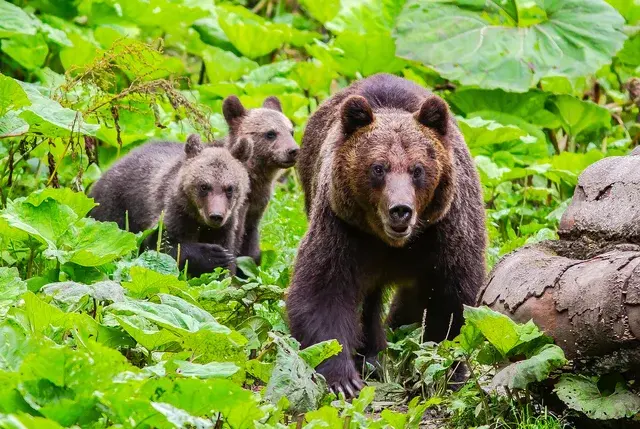
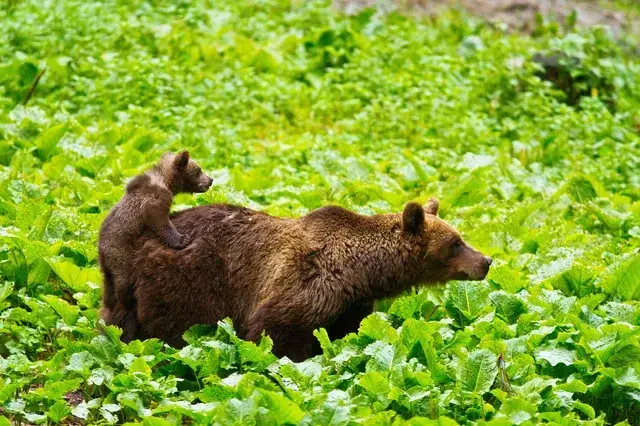
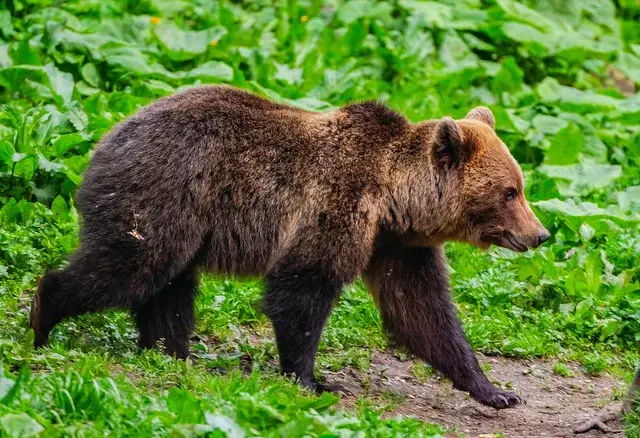
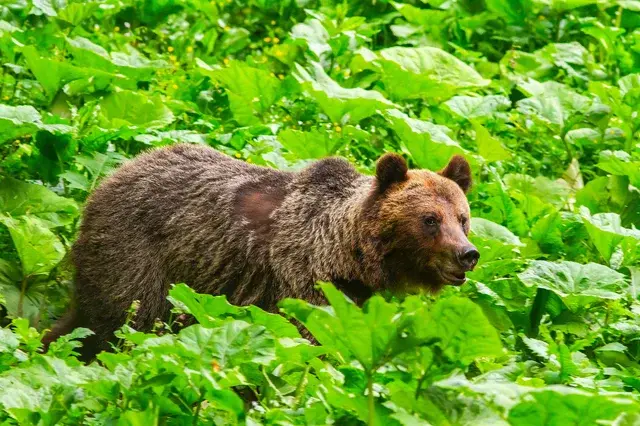
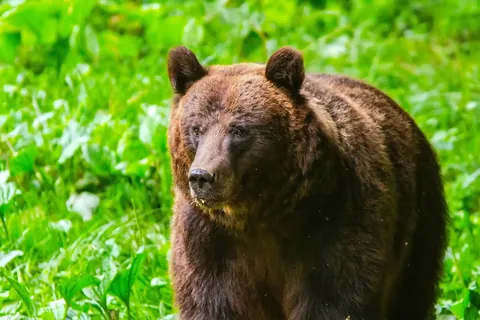
| 14 | Ursus arctos | Brown Bear | Carnivora | Carpathian forest | Omnivore | Native | |
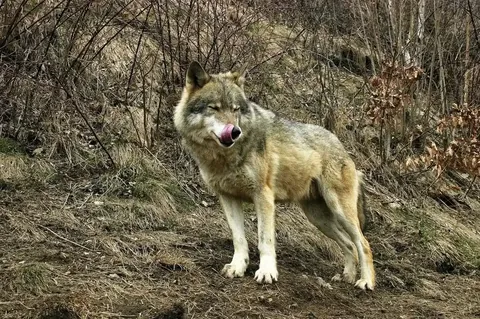
| 15 | Canis lupus | Grey Wolf | Carnivora | Carpathian forest | Carnivore | Native | |
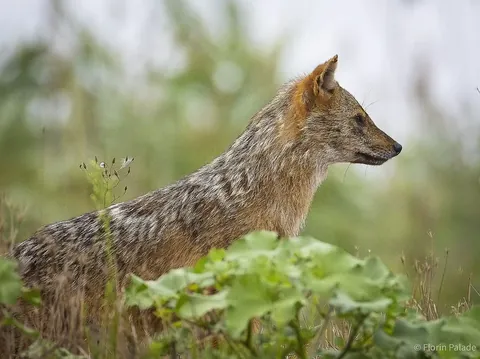
| 16 | Canis aureus | Golden Jackal | Carnivora | Steppe & wetlands | Carnivore | ||
| 17 | Lynx lynx | Eurasian Lynx | Carnivora | Mountain forest | Carnivore | Native | |
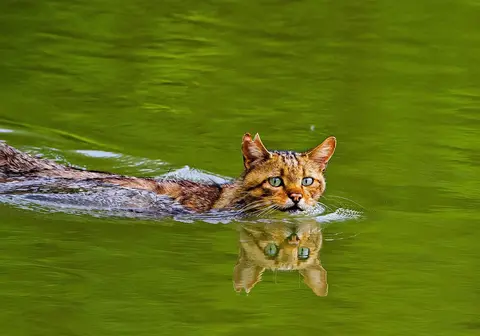
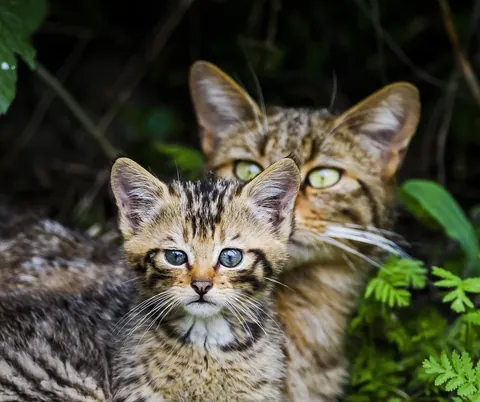
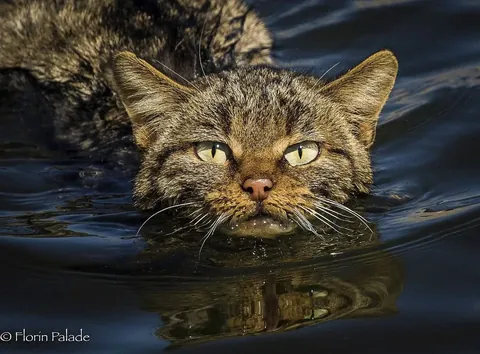
| 18 | Felis silvestris | European Wildcat | Carnivora | Forest | Carnivore | Native | |
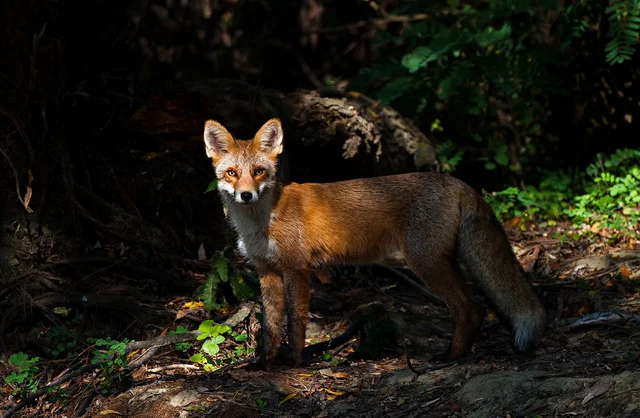
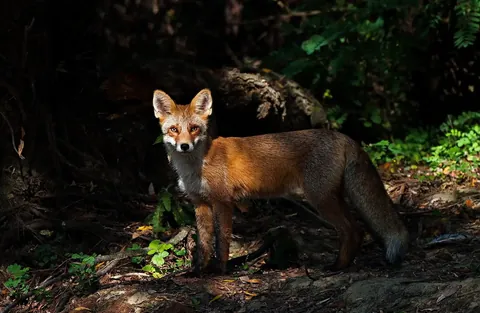
| 19 | Vulpes vulpes | Red Fox | Carnivora | Widespread | Omnivore | Native | |
| 20 | Martes martes | Pine Marten | Carnivora | Forest | Carnivore | Native | |
| 21 | Martes foina | Stone Marten | Carnivora | Mixed habitats | Omnivore | Native | |
| 22 | Meles meles | European Badger | Carnivora | Forest & meadow | Omnivore | Native | |
| 23 | Lutra lutra | European Otter | Carnivora | Wetlands | Carnivore | Native | |
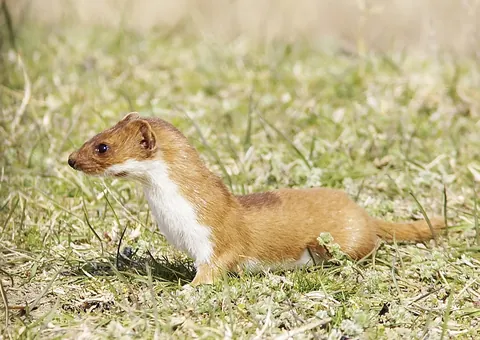
| 24 | Mustela nivalis | Least Weasel | Carnivora | Widespread | Carnivore | Native | |
| 25 | Mustela erminea | Stoat | Carnivora | Forest & alpine | Carnivore | Native | |
| 26 | Mustela putorius | European Polecat | Carnivora | Wetlands | Carnivore | Native | |
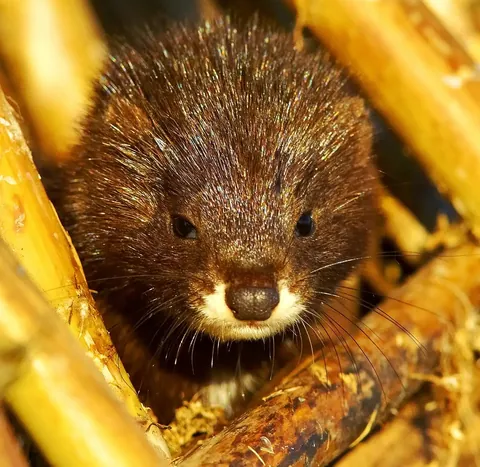
| 27 | Mustela lutreola | European Mink | Carnivora | Wetlands | Carnivore | Rare | |
| 28 | Mustela eversmanii | Steppe Polecat | Carnivora | Steppe | Carnivore | Rare | |
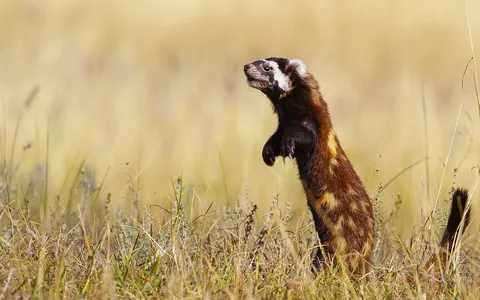
| 29 | Vormela peregusna | Marbled Polecat | Carnivora | Steppe | Carnivore | Native | |
| 30 | Nyctereutes procyonoides | Raccoon Dog | Carnivora | Wetlands | Omnivore | Introduced | |
| 31 | Capreolus capreolus | Roe Deer | Artiodactyla | Forest & meadow | Herbivore | Native | |
| 32 | Cervus elaphus | Red Deer | Artiodactyla | Forest | Herbivore | Native | |
| 33 | Dama dama | Fallow Deer | Artiodactyla | Forest | Herbivore | Reintroduced | |
| 34 | Rupicapra rupicapra | Chamois | Artiodactyla | Alpine | Herbivore | Native | |
| 35 | Bison bonasus | European Bison | Artiodactyla | Forest | Herbivore | Reintroduced | |
| 36 | Sus scrofa | Wild Boar | Artiodactyla | Widespread | Omnivore | Native | |
| 37 | Sciurus vulgaris | Red Squirrel | Rodentia | Forest | Herbivore | Native | |
| 38 | Spermophilus citellus | European Ground Squirrel | Rodentia | Steppe | Herbivore | Native | |
| 39 | Marmota marmota | Alpine Marmot | Rodentia | Alpine | Herbivore | Reintroduced | |
| 40 | Castor fiber | Eurasian Beaver | Rodentia | Wetlands | Herbivore | Reintroduced | |
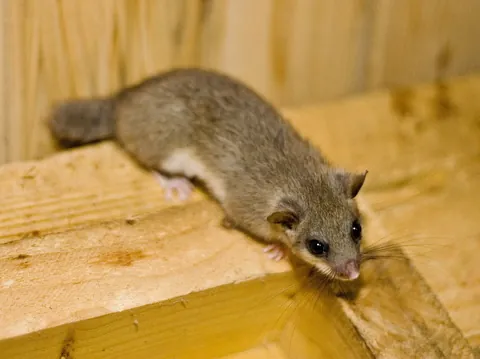
| 41 | Glis glis | Edible Dormouse | Rodentia | Forest | Omnivore | Native | |
| 42 | Apodemus flavicollis | Yellow-necked Mouse | Rodentia | Forest | Omnivore | Native | |
| 43 | Apodemus sylvaticus | Wood Mouse | Rodentia | Forest & steppe | Omnivore | Native | |
| 44 | Cricetus cricetus | European Hamster | Rodentia | Steppe | Omnivore | Native | |
| 45 | Mesocricetus newtoni | Romanian Hamster | Rodentia | Steppe | Omnivore | Endemic | |
| 46 | Arvicola amphibius | Water Vole | Rodentia | Wetlands | Herbivore | Native | |
| 47 | Phocoena phocoena | Harbour Porpoise | Cetacea | Marine | Carnivore | Native | |
| 48 | Tursiops truncatus | Bottlenose Dolphin | Cetacea | Marine | Carnivore | Native | |
| 49 | Delphinus delphis | Common Dolphin | Cetacea | Marine | Carnivore | Native |
No species match your current filters.
Mountain habitat · Carpathians
Large carnivores of the Romanian Carpathians
The Carpathian Mountains are Europe's most important stronghold for large carnivores. Romania hosts the largest populations of brown bears, grey wolves and Eurasian lynx in the European Union, thanks to extensive forest cover and relatively low habitat fragmentation.
- Ursus arctosBrown Bear
- Canis lupusGrey Wolf
- Lynx lynxEurasian Lynx
- Felis silvestrisEuropean Wildcat
Steppe habitat · lowland Romania
Steppe and grassland mammals
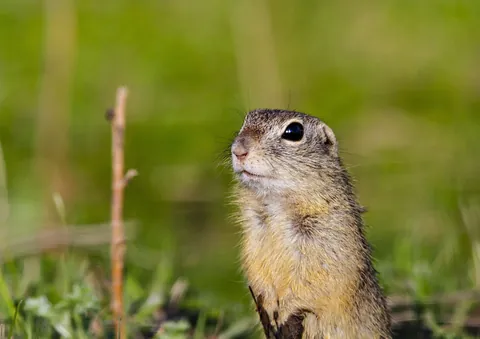
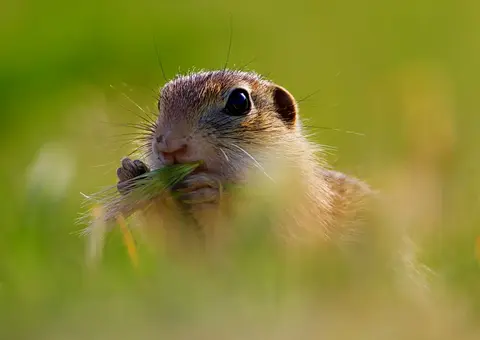
Romania's remaining steppe and grassland habitats support several species that have declined across western Europe. Ground squirrels, hamsters and the marbled polecat are characteristic of these open landscapes.
- Spermophilus citellusEuropean Ground Squirrel
- Cricetus cricetusEuropean Hamster
- Vormela peregusnaMarbled Polecat
- Canis aureusGolden Jackal — expanding range
Wetland habitat · Danube Delta
Danube Delta and wetland mammals
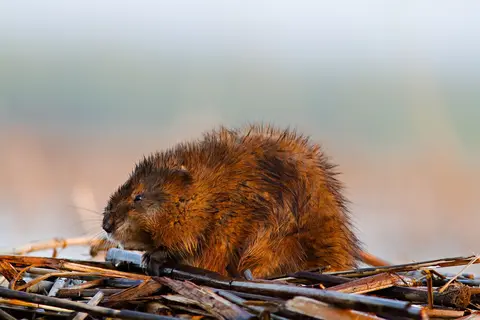
The Danube Delta's extensive wetlands provide habitat for several semi-aquatic mammals. The Eurasian beaver, successfully reintroduced in recent decades, is among the most significant conservation stories in Romania.
- Lutra lutraEuropean Otter
- Castor fiberEurasian Beaver — reintroduced
- Mustela lutreolaEuropean Mink — rare
- Arvicola amphibiusWater Vole
Marine habitat · Black Sea
Black Sea cetaceans
Three cetacean species inhabit Romania's Black Sea waters. All three face conservation challenges from pollution, bycatch and habitat degradation.
- Tursiops truncatusBottlenose Dolphin
- Delphinus delphisCommon Dolphin
- Phocoena phocoenaHarbour Porpoise
Conservation · Romania
Mammals as indicators of wild landscapes
The presence of large carnivores and habitat-sensitive species shows that Romania still preserves extensive natural areas. Monitoring mammal populations contributes to understanding ecological changes and supports long-term conservation efforts.
Frequently Asked Questions
How many mammal species are found in Romania?
Romania hosts over 90 mammal species across diverse habitats. This checklist covers 49 representative species including large carnivores, ungulates, bats, rodents and three cetacean species from the Black Sea.
Where can you see bears, wolves and lynx in Romania?
Romania's Carpathian Mountains are the main stronghold for brown bears, grey wolves and Eurasian lynx. The Southern and Eastern Carpathians offer the best opportunities for wildlife watching, particularly in areas with extensive old-growth forest.
What mammals live in the Danube Delta?
The Danube Delta supports important populations of European otter, Eurasian beaver (reintroduced), water vole and various bat species. The European mink, one of Europe's most endangered mammals, has historically been recorded in the region.
Has the European bison been reintroduced in Romania?
Yes. European bison have been successfully reintroduced in several locations in Romania, including the Southern Carpathians. Other reintroduced species include the Eurasian beaver, Alpine marmot and fallow deer.
Wildlife Photography Gallery
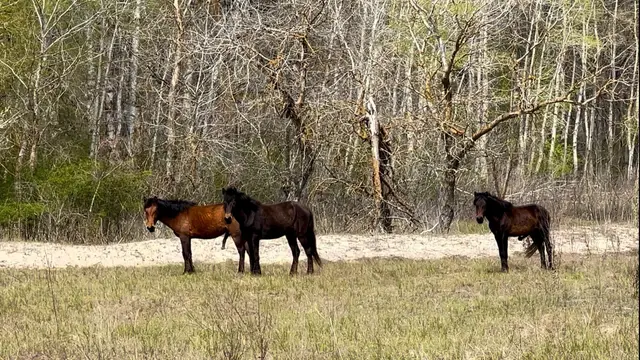
Field photographs of Romanian mammals from the Carpathians, Danube Delta and Dobrogea steppe.