
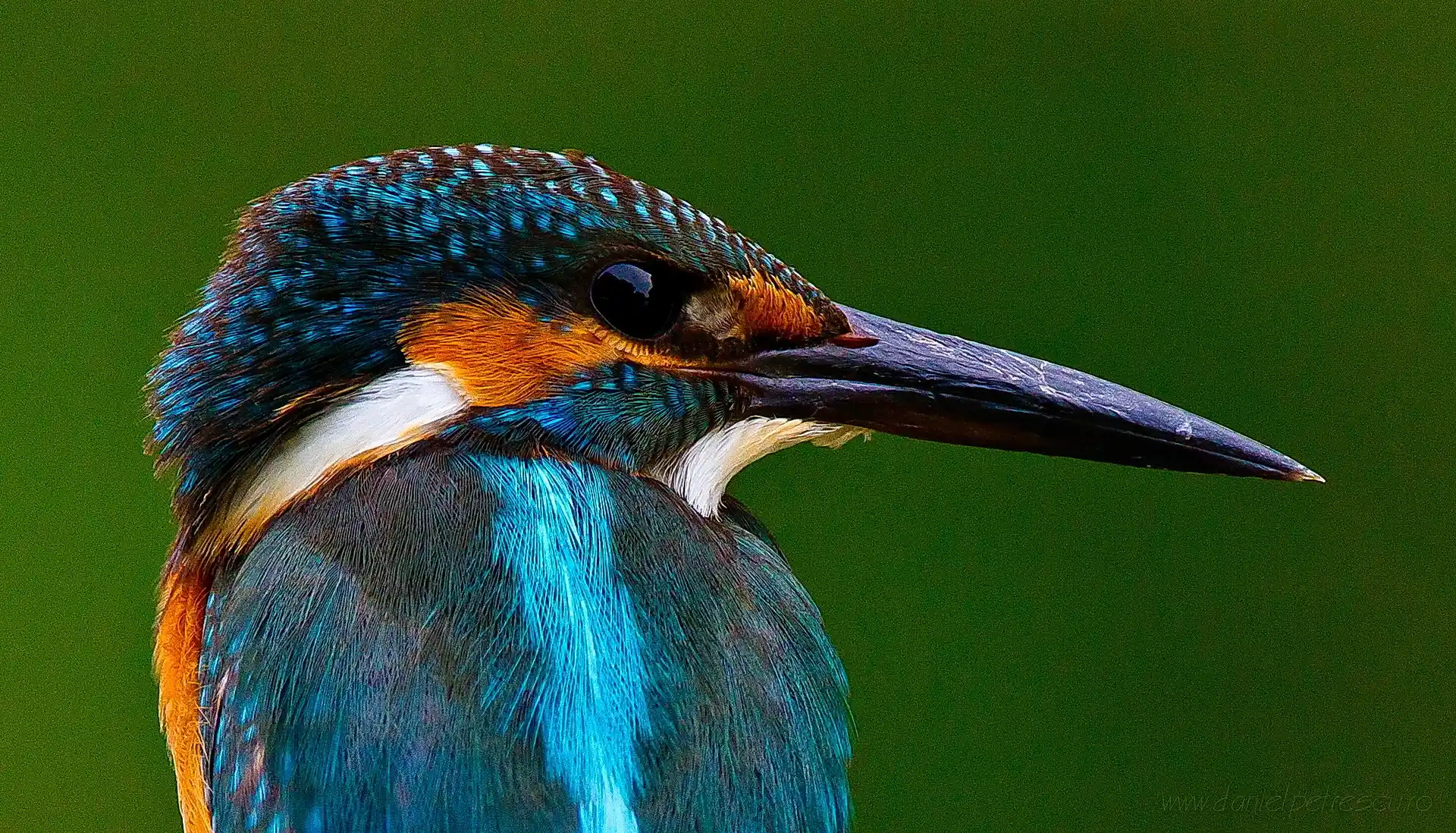
The Common Kingfisher (Alcedo atthis) is a small, intensely coloured species dependent on clean water and suitable banks for nesting (burrows). In the Danube Delta it can be found along channels and clear-water streams, particularly in areas with steep banks or perch structures (branches, stakes). Identification: brilliant electric-blue upperparts, orange-red underparts; dagger-shaped bill; very short tail; fast, direct, low flight along waterways. Ecology: dives from a perch to catch small fish; excavates nest burrows in earth banks; requires clear water for hunting. In the Danube Delta: a perched Kingfisher on a waterside stake or overhanging branch is one of the most rewarding sights on any excursion; most easily found on calm, clear narrow channels. Conservation: sensitive to water pollution, bank disturbance and severe winters which freeze feeding sites; the Danube Delta holds some of the highest Kingfisher densities in Europe.
Identification
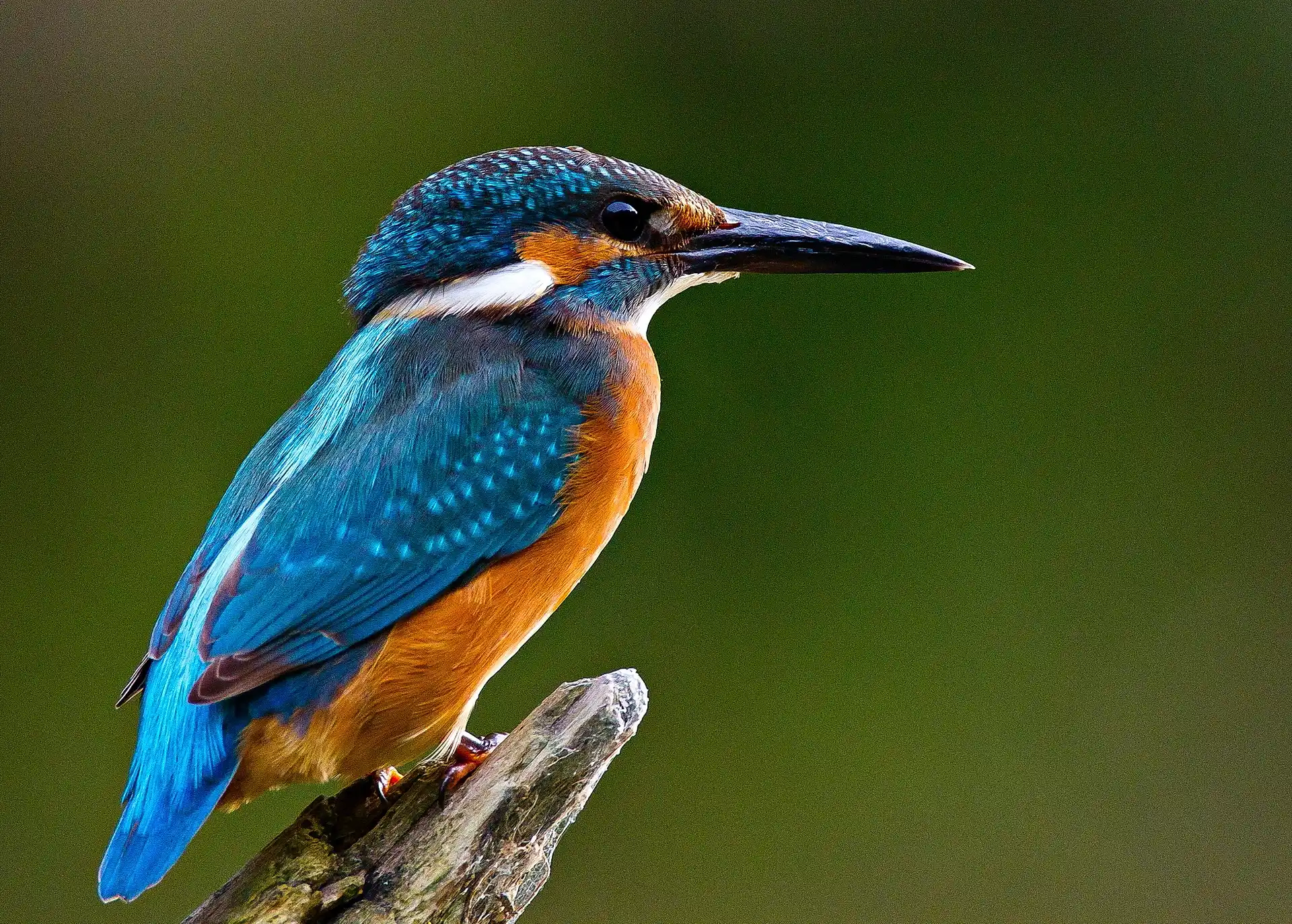
The Common Kingfisher is unmistakable: a small, bright bird with electric blue-green upperparts, vivid orange underparts, and a large dagger-shaped bill. At rest it sits with the bill pointing downward, giving it a front-heavy, hunched appearance. In flight it moves low and fast over the water — the brilliant blue of the back is what you see first.
Field Marks at a Glance
Confusion species: None in Europe. The combination of electric blue, orange, and dagger bill is unique. Occasionally confused by beginners with the Bee-eater or Roller, but these are much larger and differently patterned.
When to See It in Romania
The Common Kingfisher is a year-round resident in the Danube Delta. Breeding activity peaks May–July (two broods common). Numbers are highest April–September; winter numbers decrease slightly as some birds disperse, but the species remains common throughout even the coldest months.
Monthly Presence & Abundance
Where to See It
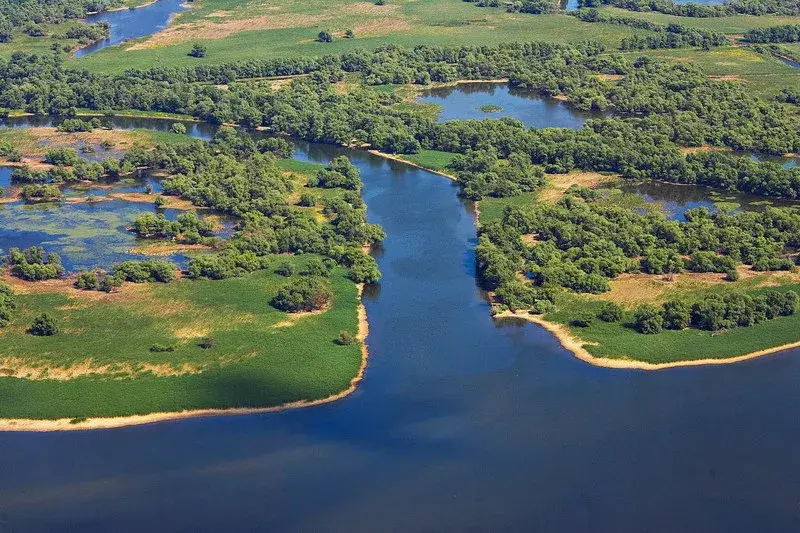
The Kingfisher is found on every channel in the delta, from the wide Sulina arm to the narrowest gârla backchannels. Highest densities are in the narrow channels where overhanging willows and exposed stakes provide abundant perching sites with clear views of the shallow water below.
All narrow channels
Any narrow channel (gârla) with overhanging vegetation and stakes will have resident Kingfishers. A constant companion on all excursions.
Canal Magearu
Consistently the best Kingfisher photography channel — birds on exposed perches in good light throughout the morning excursion.
Sandy bank nest sites
Kingfishers nest in horizontal burrows in sandy banks — often the same banks used by Bee-eaters. Both species visible at the same site.
Lake margins
Kingfishers use exposed stakes and floating vegetation at lake margins as fishing perches — visible from the floating hotel deck.
How to See It on Our Tours
All Ibis Tours programmes depart from Tulcea and operate within ARBDD-permitted zones.
4-Day Danube Delta Wildlife Cruise
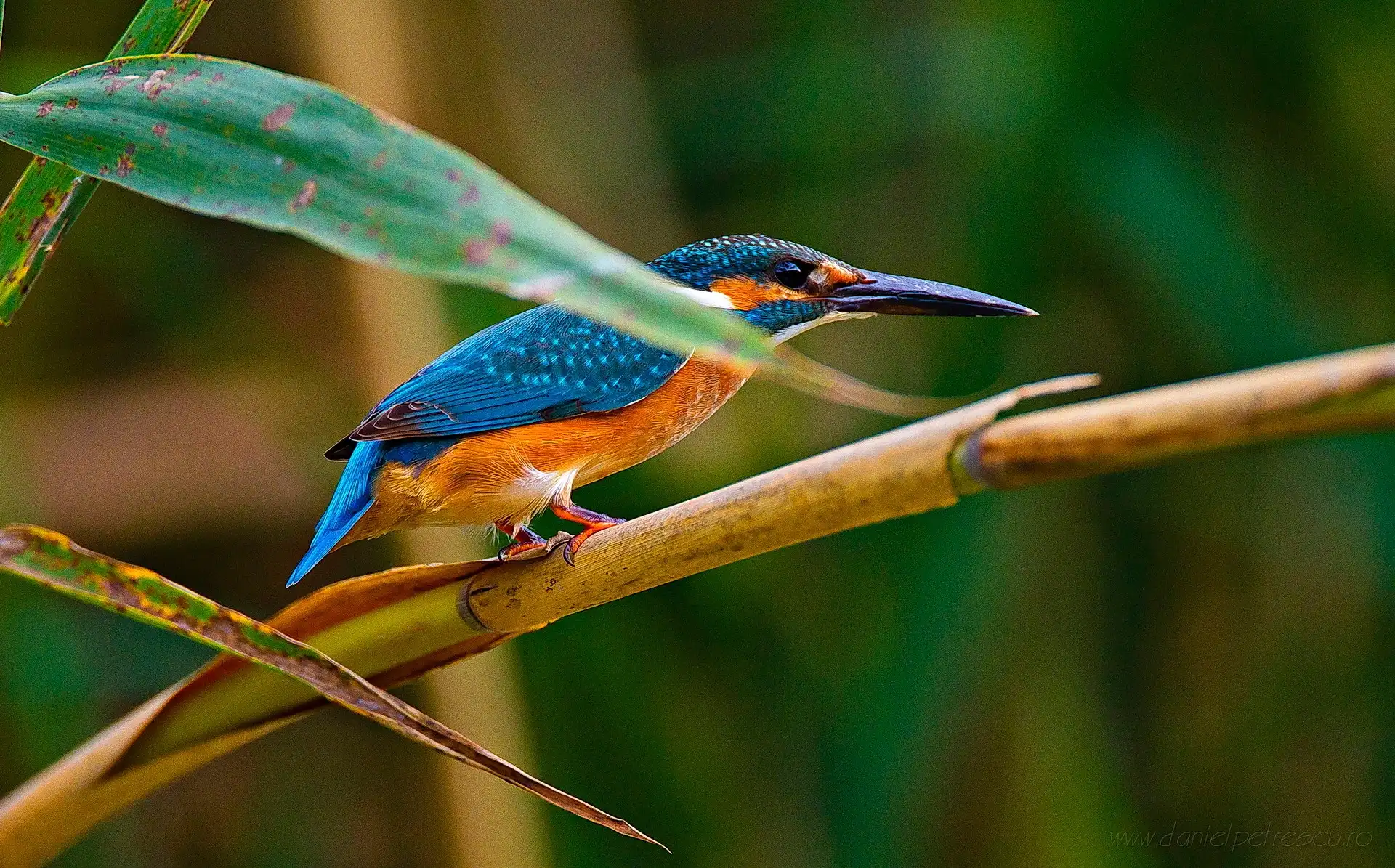
📅 All days — narrow reed channelsKingfishers are a daily sighting on all delta cruises. The narrow secondary channels (used by Ibis Tours but avoided by larger tour boats) have high densities. The electric-blue flash at boat-eye level is one of the most reliably photographed moments on any delta cruise.
View tour details → Photography FocusWildlife Photography Tours
📅 All channel transitsPhoto tours locate known perch sites used by resident Kingfishers and position the boat for repeated flight and dive sequences.
View tour details →Behaviour & Ecology
The Common Kingfisher is a specialist fish hunter, perching motionless above water — typically 1–3 metres high — and watching for small fish visible through the surface. When prey is spotted, it plunges vertically, sometimes submerging completely, and returns to the perch with the fish held crossways in its bill. It strikes the fish against the perch to stun it before swallowing head-first. The distinctive posture — hunched, bill pointing downward at 45°, head moving imperceptibly as it tracks fish below — is immediately recognisable even from a distance. Pairs excavate burrows 50–80 cm long in sandy or clay banks.
🛡 Conservation Status
Listed as Least Concern (LC) globally. The Danube Delta population is exceptionally dense due to the combination of abundant fish, clean water, and the strict protection regime preventing industrial pollution. In Western Europe the species has declined due to river channelisation, pollution, and ice events. The delta is one of Europe's important reference populations.
Photography Guide
The Common Kingfisher is the most photographed bird in the Danube Delta — and for good reason. The combination of extraordinary colour, predictable perching behaviour, and the proximity enabled by the slow motorboat makes exceptional images achievable even for beginners.
📸 Photography Tips
- The secret: Kingfishers use the same perches repeatedly. Once you find a perch — especially one in clean light — wait there rather than following the bird. It will return within 2–5 minutes.
- Lens: 400–500mm. These birds are typically 5–15m from the boat if approached correctly — a 300mm will fill the frame.
- Light: The electric blue colour is brightest when the back is lit by direct sun. Aim for positions where the bird faces you with the sun behind.
- Diving shots: The plunge is very fast (~0.3 seconds total). Pre-focus on the perch and shoot at the moment the bird drops its shoulder — this is the reliable trigger for a dive sequence.
- Background: Water background is classic. Willow reflections in the channel can produce beautiful textured backgrounds.
See It With Expert Guides
The Kingfisher is the one species guaranteed on every excursion regardless of season. For photographers, the narrow gârle channels accessed from the Ibis Tours floating hotel provide the closest and most consistent encounters.