
Wildlife Photography Tours
Danube Delta
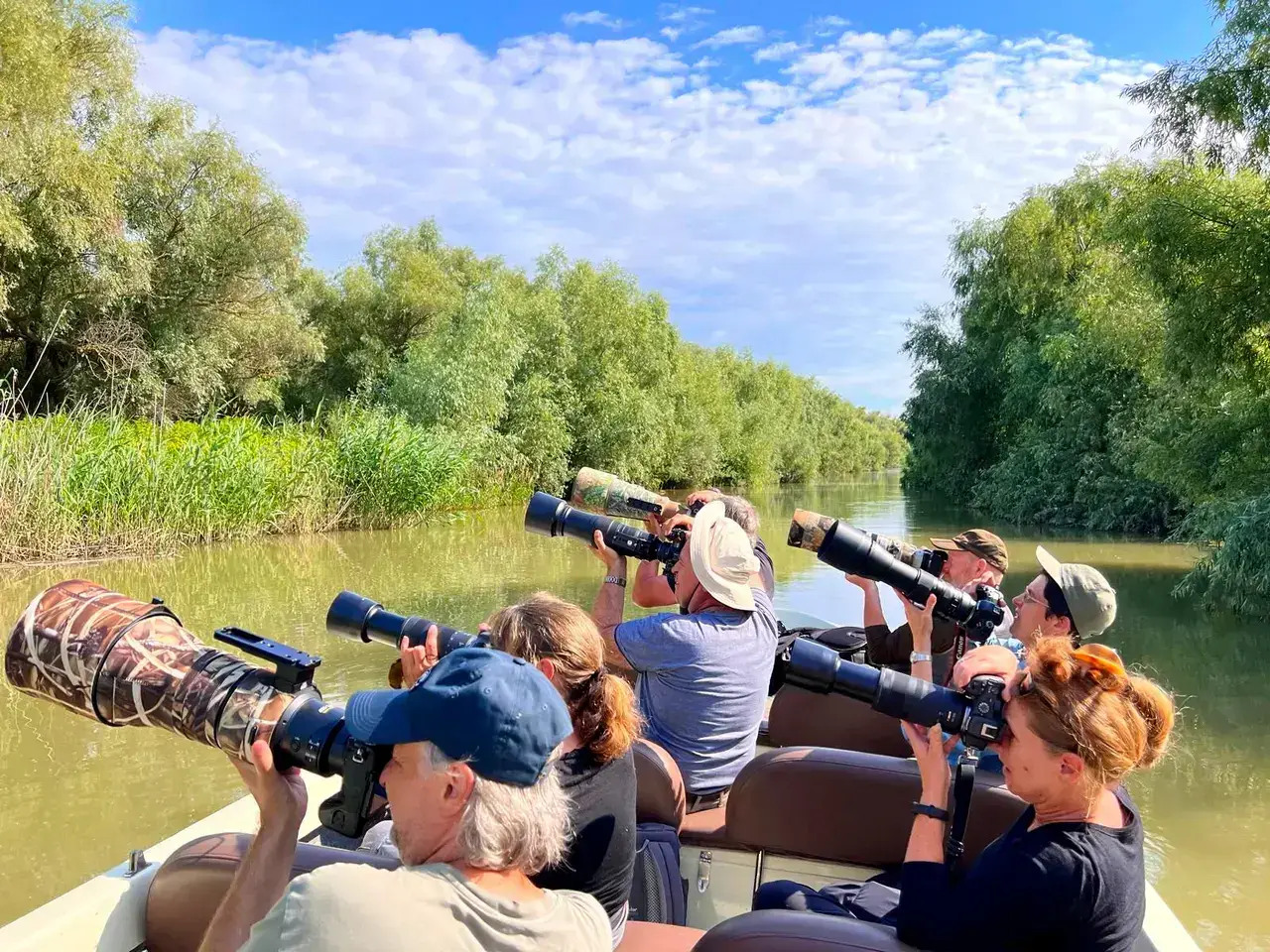
Bespoke photo programmes in one of Europe's great wildlife destinations. Slow photo-boat, floating hides, dawn access to pelican colonies — led by a photographer whose images have reached National Geographic.
 Co-founder · Ibis Tours 1995
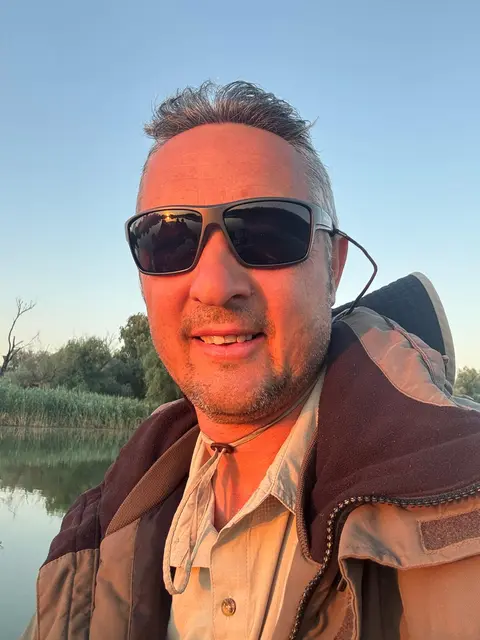
 Daniel Petrescu
Wildlife Photographer · Ornithologist · Co-owner, Ibis Tours
Daniel was born in Letea — a village deep inside the delta, accessible only by boat — and has spent 30 years guiding naturalists and photographers through the reserve. He turned to photography seriously in 1999 and has since built an international reputation for Danube Delta wildlife images.
His photographs have been published in magazines, books, newspapers, and web features across Europe. A Little Egret image appeared on a Romanian postal stamp. In April 2025, National Geographic Traveller UK ran a feature on the Danube Delta in which Daniel was the guide — calling the experience one of Europe's premier wildlife encounters.
As your photographer-guide, Daniel doesn't just know where the birds are — he knows the exact light, the right channel, the tide of pelicans that passes the mouth of Canal Eracle at 07:15 in late May.
 Ornithologist · Eco Pontica Foundation
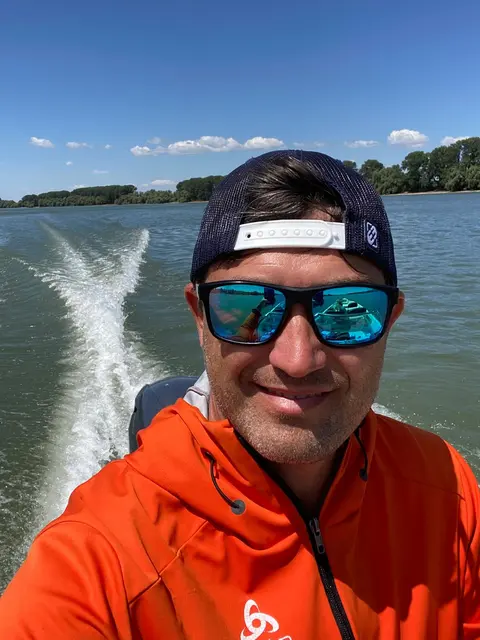
 Florin Palade
Wildlife Photographer · Biologist · Ornithologist Guide
Florin is a nature photographer, biologist and ornithologist guide with over 15 years of field experience in the Danube Delta and Dobrogea. With a background in geomorphology and environmental protection, he combines scientific rigour with visual sensibility — documenting biodiversity authentically and methodically.
Since 2016, Florin has worked as a specialist birdwatching guide, delivering European-standard wildlife experiences in the Danube Delta Biosphere Reserve. He has been involved in international conservation projects, including monitoring of globally vulnerable species such as Ferruginous Duck (Aythya nyroca) and Pygmy Cormorant (Phalacrocorax pygmeus), in collaboration with the Romanian Ornithological Society (SOR).
Founder and president of the Eco Pontica Foundation, Florin is actively engaged in conservation and ecological education. His photography reflects a deep understanding of natural habitats and respect for fragile ecosystems.
Every Ibis photography programme combines access by water and by hide — designed around your target species and the time of year.
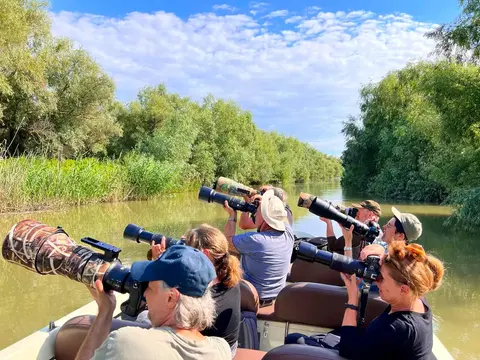
Photo-Boat
Open-deck motorboat specially adapted for wildlife photography. Low gunwale lets you shoot at water level. Moves slowly and silently through channels — often within metres of pelicans, herons and terns. Beanbags provided. Used for all daily excursions.
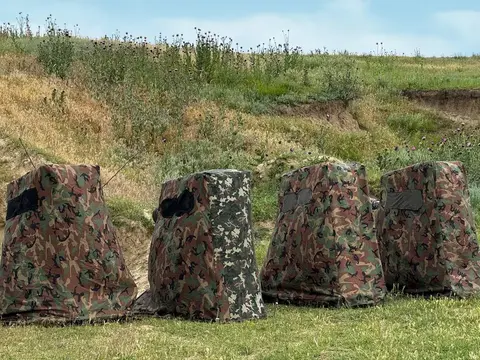
Shore Hides & Blinds
For specific species — nesting bee-eaters, Collared Pratincoles, terns on floating vegetation — we position ground-level blinds or use natural cover on shore. Tripods essential for hide sessions. Prepared in advance based on your targets.
Photo Subjects by Season
The Danube Delta rewards photographers in every season. Here is what to prioritise when.
🌸 April – June
- Great White Pelican
- Dalmatian Pelican
- Whiskered Tern
- Black Tern
- Pygmy Cormorant
- Purple Heron
- Glossy Ibis
- Bee-eater
- Roller
- Wildflowers, orchids
☀️ July – August
- Pelican flocks fishing
- White-tailed Eagle
- Pallas's Gull
- Little Bittern
- Black-necked Grebe
- Red-necked Grebe
- Water Buffalo (Letea)
- Wild Horses (Letea)
- Dragonflies
- Breeding grebes and terns
🍂 Sept – October
- Raptor migration
- Marsh Harrier groups
- Wildfowl flocks
- Waders / shorebirds
- Mist, golden light
- Caspian Gull
- Long-legged Buzzard
- Spoonbill flocks
- Atmospheric reed shots
❄️ March
- First pelican arrivals
- Wigeon & Teal flocks
- White-tailed Eagle
- Clear winter light
- Wild cat
- Otter
- Wild Boar at water
- Reed patterns / ice
- Empty channels, peace
What to Bring
We provide beanbags on the boat. Bring your own tripod for shore sessions.
📷 Lenses
- Essential 500–600mm for birds in flight, waders, small species
- Essential 300–400mm for pelicans, herons, larger subjects
- Optional 70–200mm for landscapes with wildlife
- Optional Wide-angle 16–35mm for seascape, drone-style shots
- Optional 90–105mm macro for dragonflies, flora, insects
🎒 Support & Accessories
- Essential Beanbags — we provide on the boat
- Essential Sturdy tripod + gimbal/ball head for shore hides
- Essential Waterproof bags for all electronics
- Optional Monopod for boat-based shooting
- Optional Teleconverters (1.4×, 2×)
- Optional Drone with ARBDD permit (separate application)
⚙️ Camera Settings
- Use continuous AF (tracking/subject detect)
- High-speed burst for birds in flight
- ISO 1600–6400 fine for early morning shots
- 1/2000s+ for pelicans landing on water
- Shoot RAW — delta light changes fast
- Custom white balance on overcast days
🌡️ Conditions
- Mornings: 5–15°C in April/May — bring a warm layer
- Boat spray — protect everything in a dry bag
- Midday can be very bright — polarising filter useful
- Tall reeds create deep shadows — expose for highlights
- Open lakes: no shade — sunscreen, hat, long sleeves
- Mosquitoes April–August — bring repellent
How a Custom Photo Programme Works
Every photography programme is designed around you — your species targets, your time of year, your group size.
Tell us your goals
Use the contact form to tell us: which species matter most to you, your preferred dates, group size (solo, couple, small group up to 8), and your level of experience. Have you shot wildlife before? Do you prefer boat-based or hide-based photography?
We design the itinerary
Daniel and the Ibis team build a programme around the seasonal conditions, priority locations, and daily light schedule. We'll recommend the best dates within your window and explain the reasoning — pelican colony access, peak tern nesting, migration timing.
Confirm with 30% deposit
Reserve your dates with a 30% deposit by bank transfer or card. We send the full programme details, gear list and practical information. Photography programmes run 3–10 days depending on scope and ambition.
Arrive in Tulcea, shoot the delta
We collect you at the boarding point or Tulcea hotel. The itinerary is live and flexible — if there's a pelican flyover at 06:45, we change course. Daniel reads the delta the way a photographer reads light. You photograph; he puts you in position.
Frequently Asked Questions
A minimum 300mm focal length (full frame equivalent) is recommended for birds at medium distance. For pelicans and larger herons from the boat, 300–400mm is often enough. For smaller species, waders, and terns in flight, 500–600mm gives a clear advantage. Beanbags are provided on the photo-boat for low-angle shooting from water level. Bring a sturdy tripod for hide-based sessions.
April–June: Peak season. Pelican and cormorant colonies in full display, nesting terns, bee-eaters, rollers, wildflowers, long golden hours. The single best window for maximum species diversity and behaviour shots.
July–August: Excellent concentrations of waterbirds, warm flat morning light, the wild horses of Letea, dragonflies and aquatic macro subjects.
September–October: Atmospheric misty mornings, autumn migration, raptor movements, wildfowl flocks arriving. Fewer other tourists. Often the most dramatic light of the year.
Drone use in the Danube Delta Biosphere Reserve requires a separate permit from ARBDD and must be applied for well in advance. Flying near bird colonies is generally prohibited during nesting season (April–July). We can advise on the permit process and identify suitable locations and windows where aerial photography may be feasible. Contact us with your plans.
No. We work with all levels — professional photographers building a Danube Delta portfolio through to keen beginners on their first wildlife trip. The most important preparation is knowing your own equipment before you arrive. Daniel can guide composition and positioning in the field but cannot teach camera operation from scratch during an excursion.
Yes. Our 4-day and 5-day cruises already include excellent photographic access — the photo-boat excursions, dawn and dusk from the floating hotel, and Letea Forest. For a fully dedicated photography programme with specific species targets, hides, and a custom schedule, contact us separately to design a bespoke itinerary around your needs.
Species Photography Guides
Detailed photography tips for the delta's most photogenic species — best light, lens choice, timing, behaviour to anticipate.
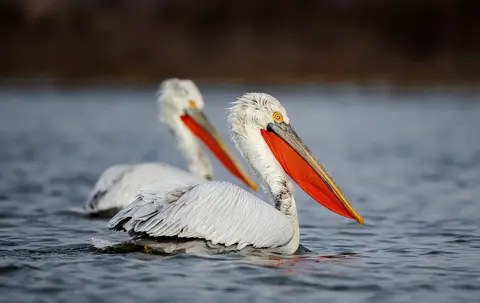 Dalmatian Pelicanbreeding plumage
 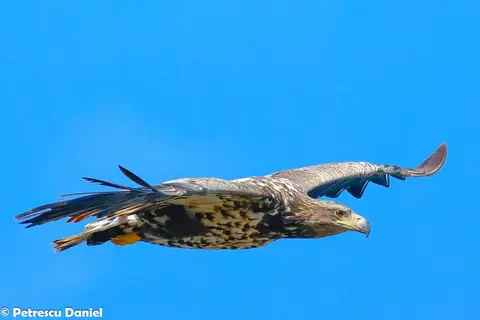 White-tailed Eaglefish-strike action
 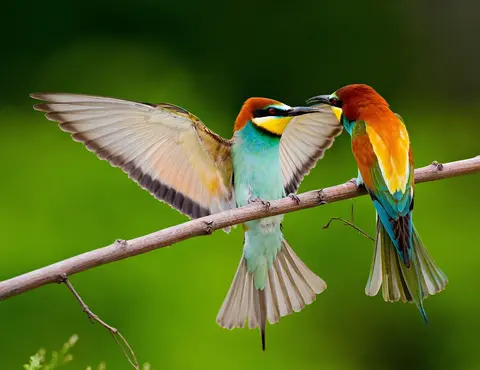 European Bee-eatercolony perch shots
 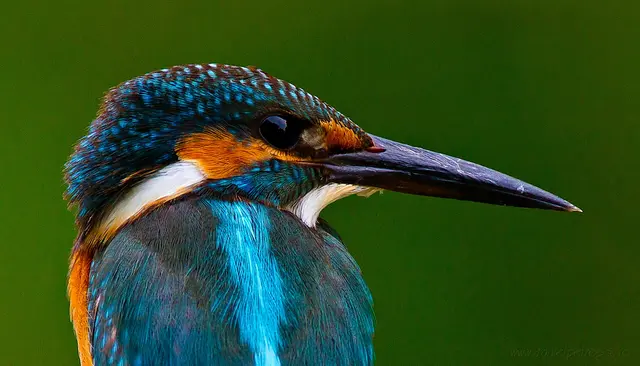 Common Kingfisherdive sequences
 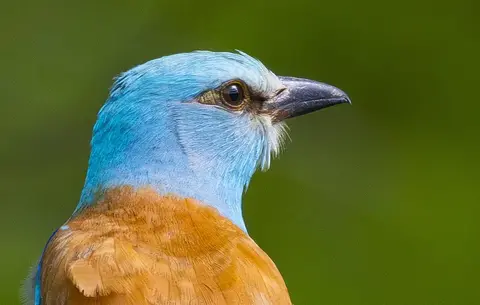 European Rollerelectric blue flight
 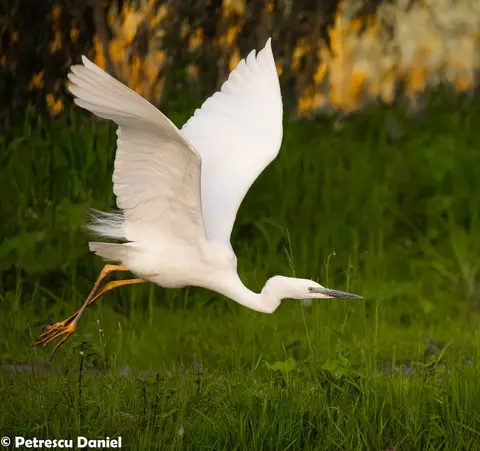 Great Egretaigrette display
 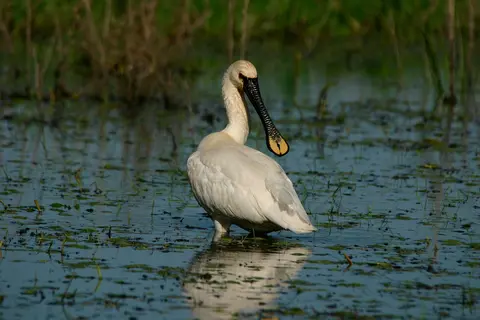 Eurasian Spoonbillfeeding action
 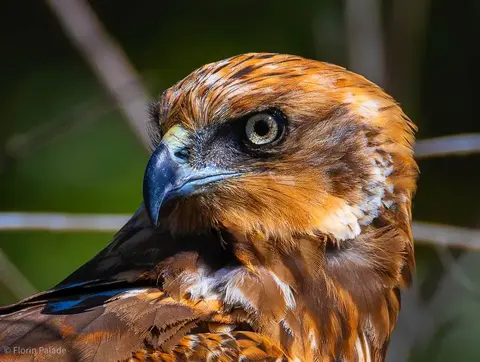 Marsh Harrierquartering flight
 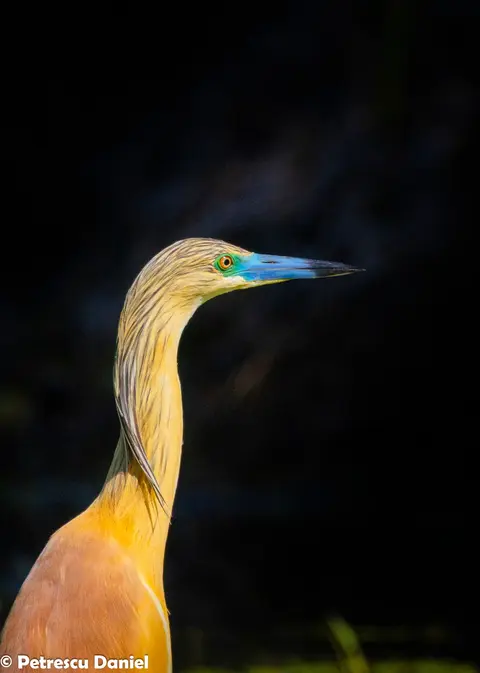 Squacco Heronhunting in reeds
 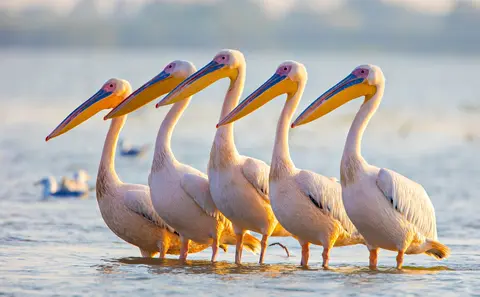 Great White Pelicancolony & flight
 Plan your photography trip to the Danube Delta
Tell us your dates, species targets and group size — we'll design the programme around you. Photography trips run year-round, 3–10 days.
Related Experiences
Combine photography with wildlife cruises and bear watching