

No birdwatching destination in Europe quite matches the Danube Delta. Where other great birding sites offer perhaps 90 or 100 species on a good day, the delta routinely produces lists of 50 to 60 species before breakfast — and a well-timed week-long trip can exceed 150 species without any real effort.
The reason is geography. The delta sits at the junction of two major flyways — the Black Sea coast route and the Balkans route — and its 580,000 hectares of wetland, reedbeds, flooded forest and open water provide habitat for practically every waterbird that visits or breeds in Europe.
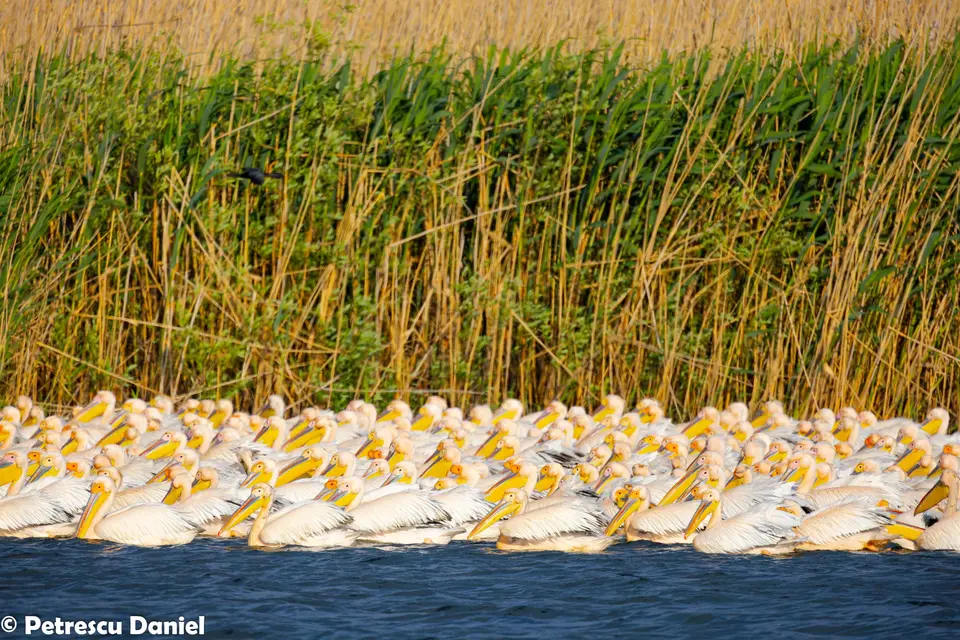
The Pelicans — Europe's Greatest Wildlife Spectacle
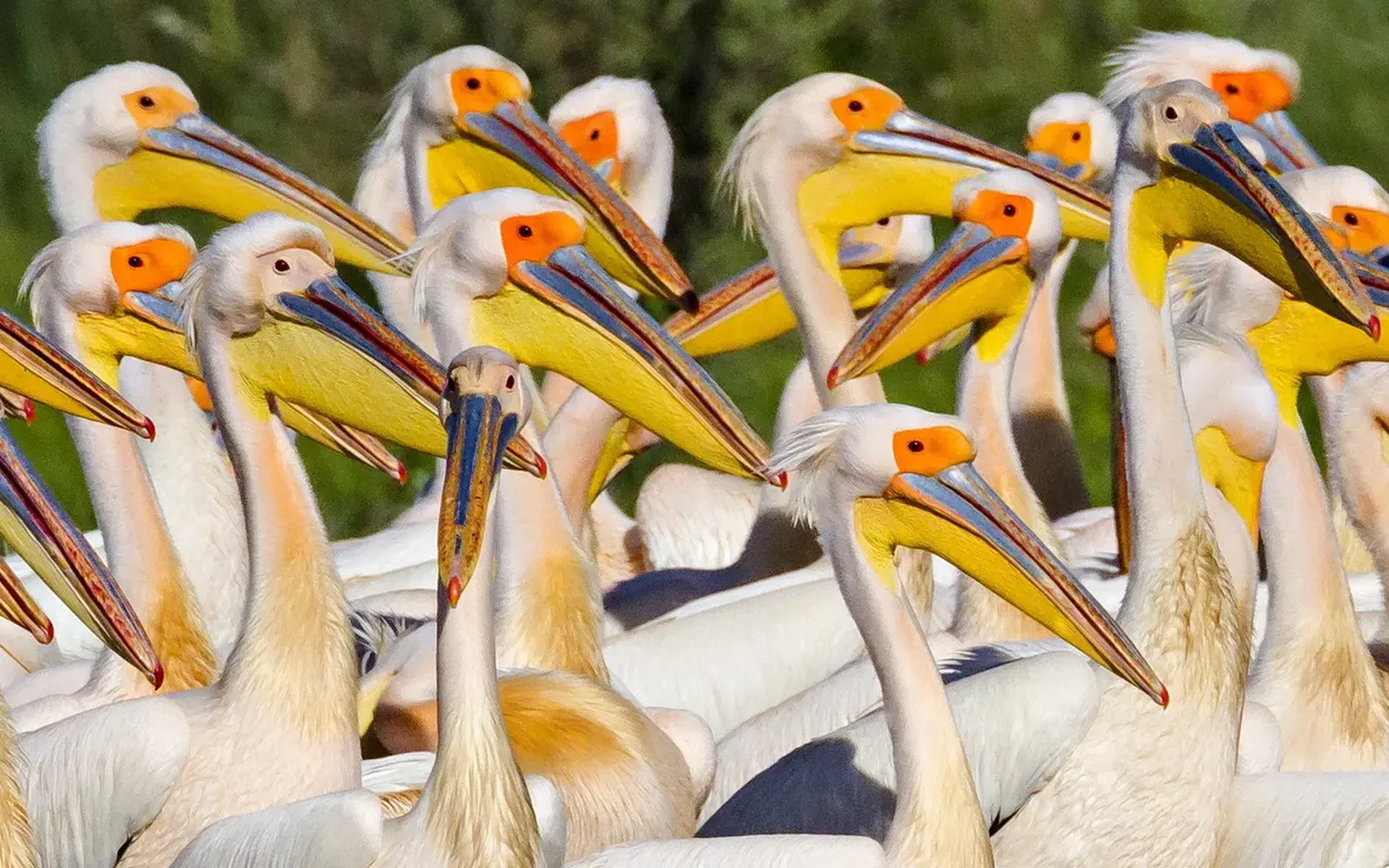
The Great White Pelican is the Danube Delta's signature species. The delta holds approximately 14,000–15,000 breeding pairs — one of the largest colonies of this species in Europe. To stand at the edge of the colony on a calm May morning, with thousands of pelicans gliding overhead on their 280cm wingspans, is one of the most extraordinary wildlife experiences the continent has to offer.
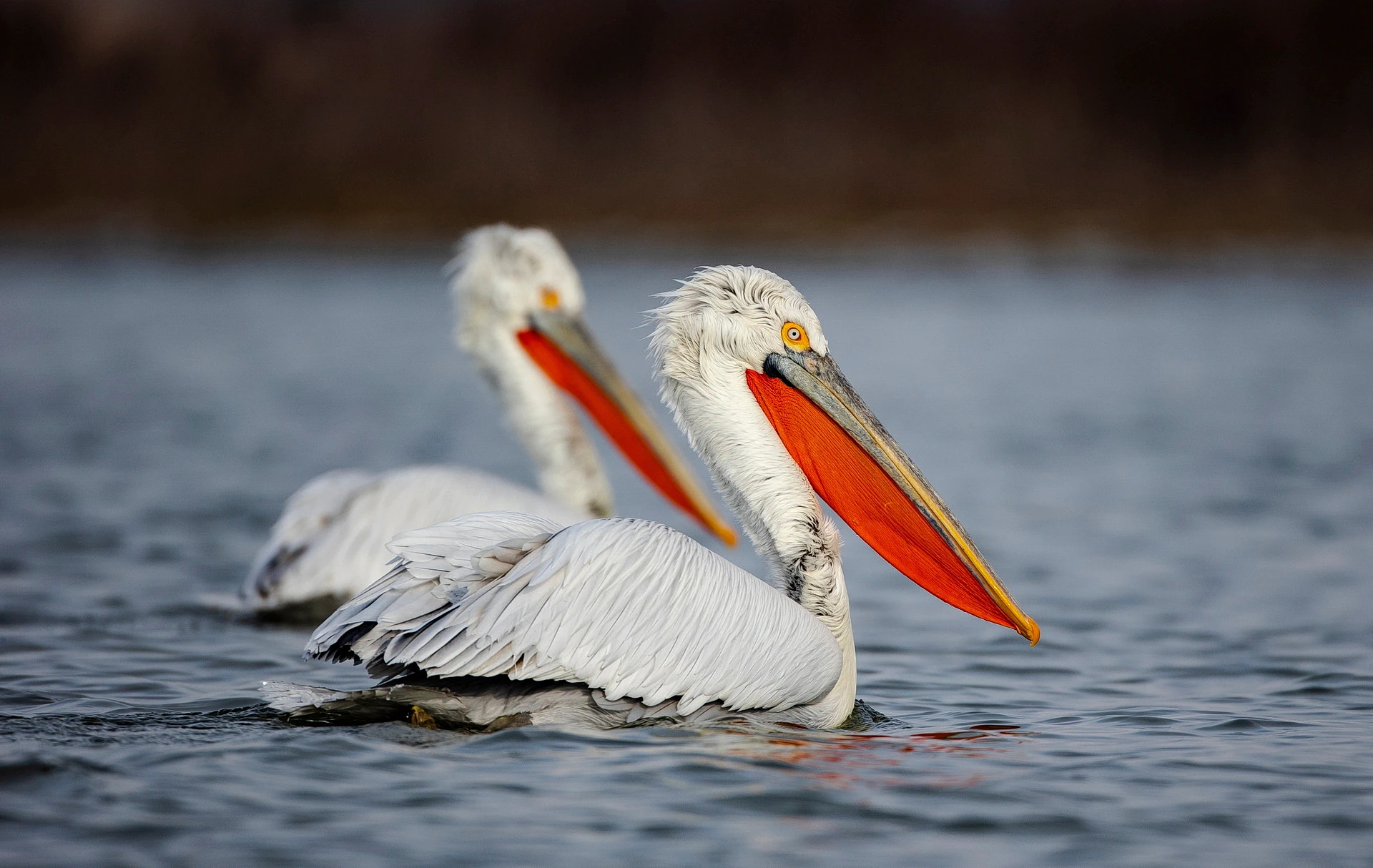
The rarer Dalmatian Pelican breeds here too: roughly 450–500 pairs, representing a significant European stronghold for this vulnerable species. Distinguishable from the Great White by its curly crest feathers and pink-orange rather than yellow bill pouch, it tends to favour slightly deeper water and more remote channels. On a 4-day cruise we typically see both species on every excursion.
The colonies are protected within the core zones of the Danube Delta Biosphere Reserve. Our cruises approach the outer edges only, using silent electric motors when near sensitive areas — close enough for excellent views, far enough to cause zero disturbance.
Key Species: What to Expect
Beyond the pelicans, the delta offers a remarkable roll-call of European rarity. The following species are seen on the majority of our cruises:
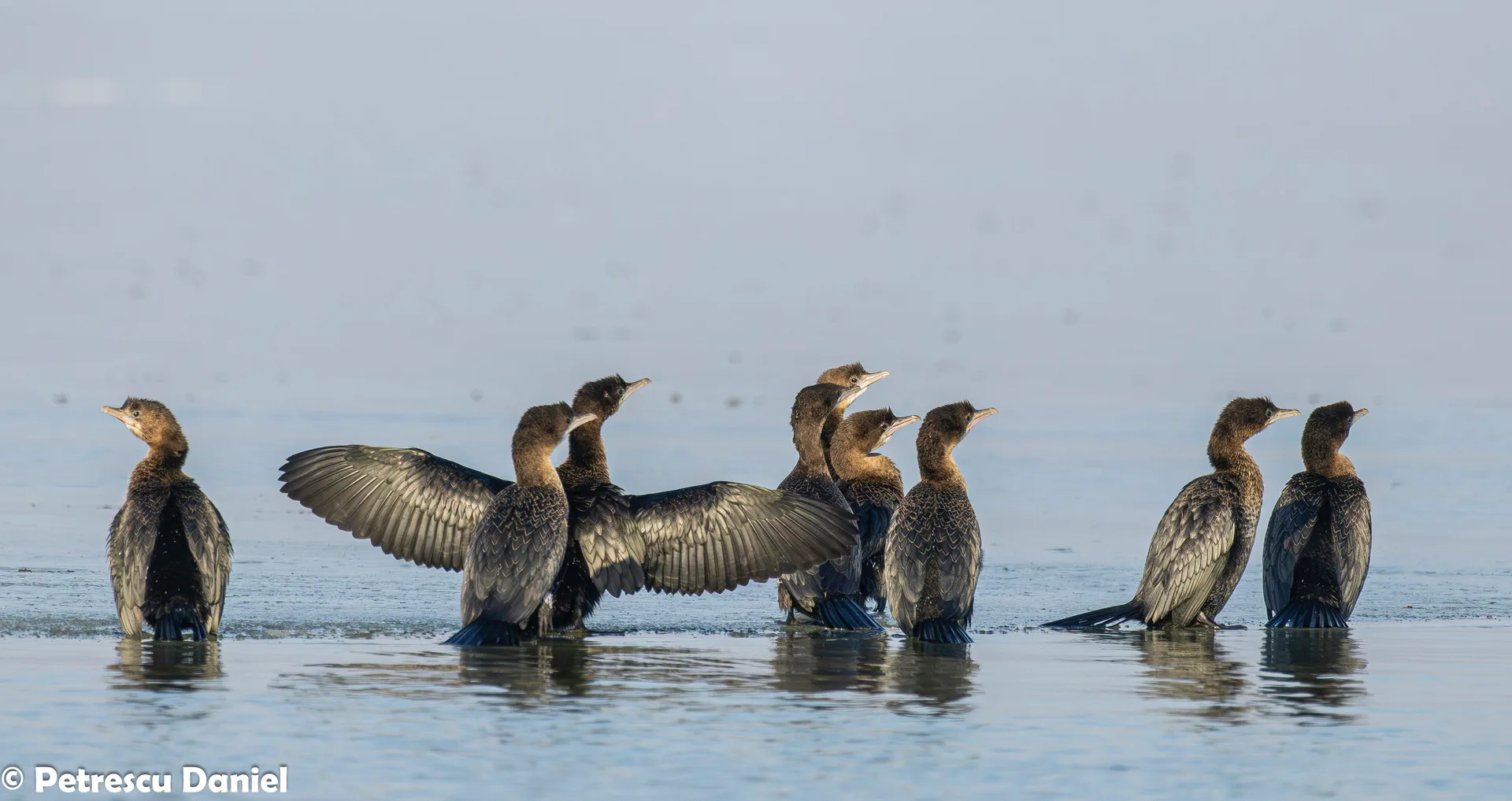
Pygmy Cormorant — The delta holds the largest European breeding population of this tiny, fast-flying cormorant. Unlike its larger relative the Great Cormorant, the Pygmy breeds in dense willow colonies and feeds in the narrowest channels.
Glossy Ibis — Flocks of 50 to 500 feeding in the shallows are typical in April and May. The iridescent plumage — dark chestnut shot through with green and purple — is best appreciated in low-angle morning light.
White-tailed Eagle — Europe's largest eagle breeds in the delta's flooded forest zone and is seen on virtually every day of our cruises. Adults have a wingspan of up to 240cm; juveniles are darker and often perch in dead trees at the water's edge.
Ferruginous Duck — One of Europe's most threatened duck species has a stronghold in the Danube Delta. Look for it among water lily pads or densely vegetated lakes.
Roller — Brilliant turquoise and chestnut, the European Roller breeds on the drier edges of the delta and in the Dobrogea steppe to the west. It is impossible to mistake.
The Best Birdwatching Sites in the Delta
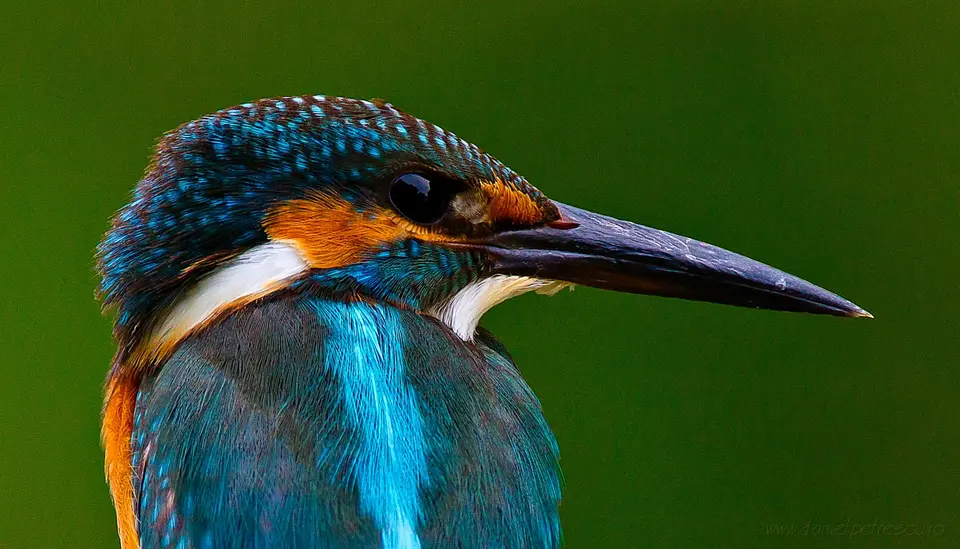
Mila 36 Canal — A narrow channel connecting the Sulina branch to the interior lakes. The overhanging willows harbour Penduline Tit, Golden Oriole and Kingfisher; the wider sections hold Purple Heron and Night Heron roosting colonies.
Lake Fortuna — Open lake surrounded by reed beds, the best site for pelicans and for watching large mixed flocks of herons, egrets and cormorants in flight. Dawn visits here in May are unforgettable.
Şontea Channel System — A complex of channels and small lakes northeast of Crişan, excellent for rails (Water Rail, Little Crake) and rare warblers (Savi's, Great reed and Moustached).
Letea Forest — The northernmost subtropical forest in Europe, home to White-tailed Eagle, Short-toed Eagle and semi-wild horses. A 2-hour walk through the ancient oaks and dunes is part of our 5-day itinerary.
Birdwatching From the Floating Hotel
One of the unique advantages of our floating hotel cruises is the ability to watch birds from the vessel itself. The upper sun deck, 6 metres above water level, provides a commanding view over the reed beds — useful for spotting raptors, scanning open water, and watching the pelican morning flights.
We anchor overnight in quiet channels, away from the Sulina ferry route and other commercial traffic. At dawn the guide leads the first motorboat excursion; those who prefer to stay aboard can watch from the sun deck while coffee is served. On our typical cruises, guests record 60–80 species per day, with a 4-day total of 120–150 species.
See the Delta's Birds With Us
Our expert naturalist guides have 25+ years experience in the Danube Delta. Groups of 9–20, departures July–October.