
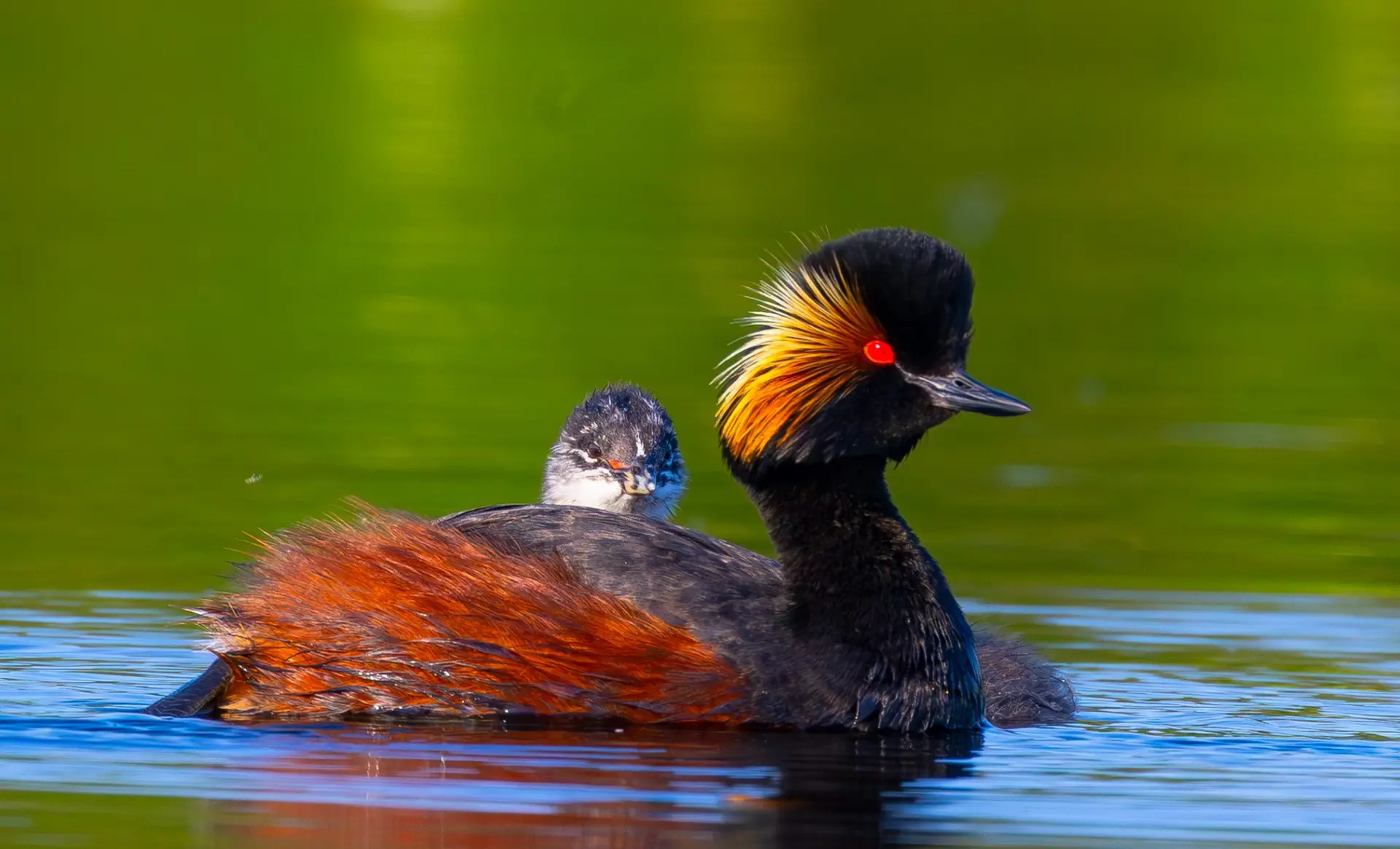
Romania offers birdwatching options ranging from a €20 boat hire from Tulcea to a multi-day fully-guided floating hotel programme. Choosing between them requires being clear about what you're optimising for — maximum species count, flexibility, cost, comfort, or the experience of sleeping inside the habitat.
This article covers every realistic option honestly. Ibis Tours operates the floating hotel programmes, so you should weight our assessment of our own product accordingly — but the comparative factual information about core zone access and species counts is objective.

Option 1: Day Trip from Tulcea
What it is: Boat excursions departing Tulcea port, typically 4–8 hours. Multiple operators offer these, ranging from tourist 'boat trips' with no birding focus to slightly more wildlife-oriented trips. Prices range from €20–80 per person.
Species count: 40–70 species (May). Buffer zone access only. No dawn or dusk excursions.
What you get: A genuine Danube Delta experience — pelicans in the distance, herons, egrets, Reed Warblers, general wetland atmosphere. Good for an introduction.
What you don't get: Core zone access. Dawn or dusk birding. Expert naturalist guidance. Dalmatian Pelican at close range. Letea Forest.
Best for: People for whom the delta is one activity on a wider Romania trip, rather than the primary destination. Budget-constrained visitors. Families with mixed interests.
Option 2: Staying in a Delta Village (Self-Guided)
What it is: Renting a room in Sfântu Gheorghe, Crişan, or Mila 23, and exploring independently by hired boat or on foot. Duration typically 2–5 days.
Species count: 60–90 species (May, with effort). Some productive areas accessible from village outskirts. No core zone access without a licensed guide.
What you get: Genuine delta atmosphere, more time than a day trip, ability to be at the water at dawn independently (though without knowing where to go). Good for experienced birders who are self-sufficient and enjoy unguided exploration.
What you don't get: Core zone access (ARBDD permit required). Expert guidance on species identification and location. Dawn excursions into the primary wildlife areas.
Best for: Experienced independent birders who know Romanian species, speak enough to arrange local boat hire, and value freedom over guidance. Not recommended as the only Romania trip for those prioritising species count.
Option 3: Week-Long Guided Tour (Other Operators)
What it is: Several UK and European operators (Naturetrek, Limosa, etc.) run 7–10 day Romania birdwatching tours, typically combining the Danube Delta (2–3 days) with Dobrogea plateau and sometimes Carpathians. Groups of 8–14 participants.
Species count: 150–200+ species (full week, delta + Dobrogea). High counts.
What you get: Expert guiding, comprehensive Romania coverage, the Dobrogea steppe species (Roller, Pratincole, Bee-eater) and the delta combined.
What you don't get: The floating hotel experience — these tours use hotels in Tulcea or Crişan as a base, which means commuting to wildlife areas each day. Dawn access is possible but involves early bus departures. The 'living on the water' quality of the floating hotel is absent.
Prices: Typically £2,000–£3,000 per person including flights, from UK operators.
Best for: Birders who want maximum species from a single extended trip and prefer the familiar format of a small-group tour with an experienced tour leader. Excellent for listers.
Option 4: Ibis Tours Floating Hotel Cruise
What it is: A 4 or 5-day programme on a 4-star floating hotel that repositions overnight within the Danube Delta Biosphere Reserve. All excursions by dedicated motorboat from the hotel. Groups limited to 20 guests maximum (typically 8–14).
Species count: 100–130 species (4-day, May); 130–160 (5-day, May).
What you get: The only fully all-inclusive live-aboard birdwatching programme in the delta. Core zone access with overnight ARBDD permits — enabling dawn excursions from within the reserve rather than commuting from Tulcea. Expert naturalist guide for every excursion and every meal. Full board, 4-star comfort. The closest approach to the Dalmatian Pelican colonies available to any visitor.
What you don't get: The breadth of a 7–10 day combined tour. Dobrogea plateau is covered in the 5-day programme but not in 4 days. The Carpathians require a separate add-on.
Price: From €1,090 (4-day, full board) to €1,390 (5-day). Competitive with UK operators once flight cost is removed.
Best for: Birders and wildlife photographers who want the best possible delta experience in 4–5 days. Those who value proximity (sleeping on the water, 05:00 departures) over breadth. Those combining with bear watching in the Carpathians as a separate 2-day add-on.
The Honest Recommendation
If you're reading a comparison article, you're a serious enough birder or wildlife traveller to care about the quality of the experience. For that audience:
Best single-destination Romania experience: Ibis Tours 4-day cruise. Maximum species-per-day ratio in the delta, best access to the primary wildlife areas, live-aboard quality that no day-trip or hotel-based approach can match.
Best for maximum Romania species list: A 5-day Ibis Tours cruise followed by a 2-day bear watching programme in the Carpathians — 9 days total, covering the two globally significant wildlife experiences Romania is known for.
Best budget option: 2 nights in Sfântu Gheorghe, self-guided, combined with a day trip into the outer delta. You won't reach the core zones, but you'll have a genuine experience at a fraction of the cost.
Best for committed listers: A UK operator's 7–10 day tour for the breadth of coverage across multiple habitats.
Ready to Plan Your Romania Wildlife Trip?
Ibis Tours has operated the delta's only floating hotel programme since 1995. ARBDD permits, expert guides, full board from €1,090.