
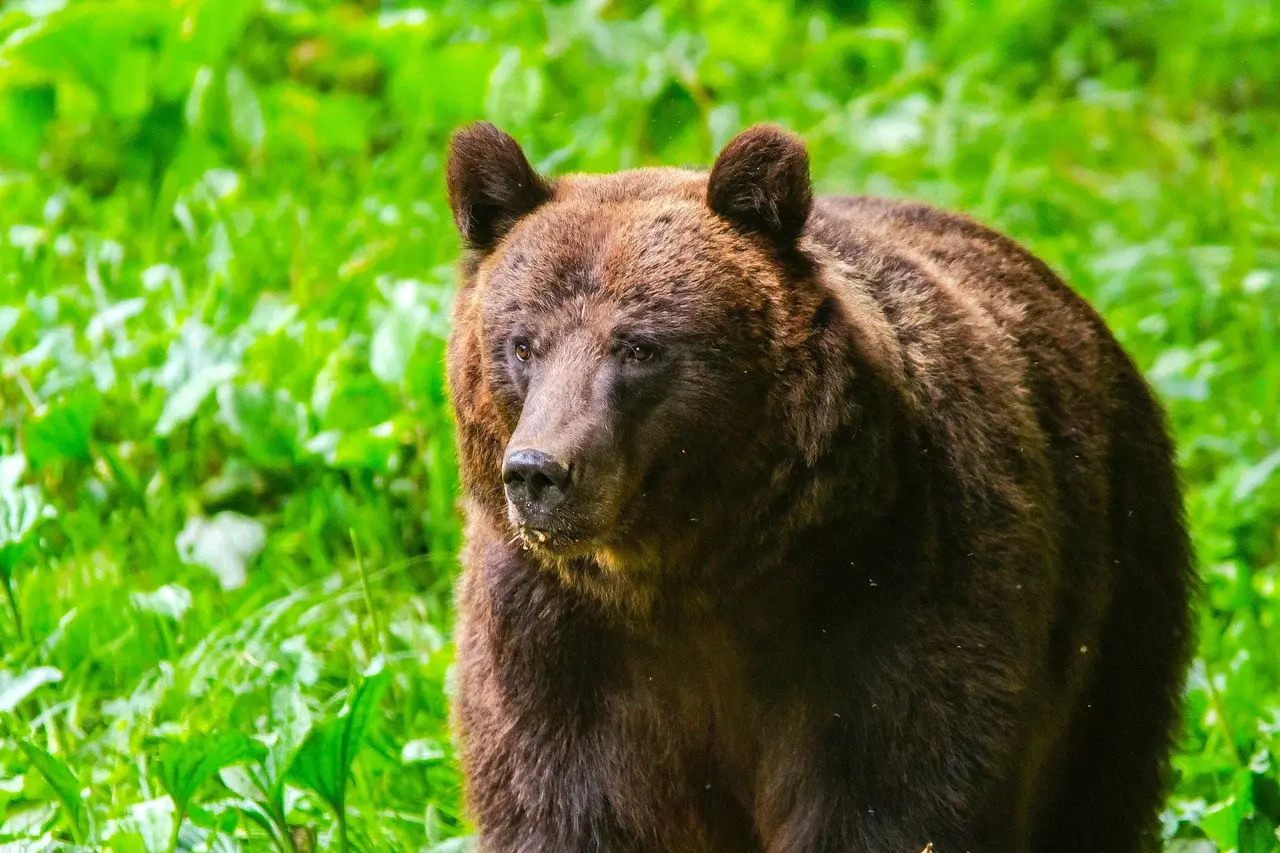
Best Time for Bear Watching in Romania
Practical guidance on when to visit Romania's Carpathian Mountains for the best brown bear encounters — season by season, with realistic expectations.
Brown bears in Romania's Carpathians are active from April to October. They hibernate from roughly November to March, making winter visits impractical. Within the active season, however, the experience varies significantly — different months offer different behaviour, different light, and different chances of seeing cubs. This guide helps you choose the right window.
All Ibis Tours bear watching programmes use licensed hides in the Piatra Craiului area near Zărnești, with experienced local wildlife guides. Sessions take place in the evening and run until dusk.
Bear Watching Season Overview
| Period | Months | Bear Activity | Best For |
|---|---|---|---|
| Early Season | Apr | Bears emerging from hibernation. Hungry, active. | First sightings, forest birds at peak song |
| Spring | May–Jun | Mothers with new cubs. High activity at hides. | Cubs, Wallcreeper, long evenings, photography |
| Summer | Jul–Aug | Steady activity. Cubs growing. Long warm evenings. | Reliable sightings, warm conditions, families |
| Peak | Sep–Oct | Intensive pre-hibernation feeding. Maximum activity. | Most bears per session, autumn colour, red deer rut |
Detailed Guide
🌱 April — Emergence
Bears begin emerging from their winter dens in late March and April. They are hungry and actively foraging, which makes them reliable visitors to supplementary feeding points. The forest is still relatively bare, improving visibility. Birding in the surrounding forests is excellent — woodpeckers are drumming, owls are vocal, and spring migrants are arriving.
Evenings can be cool — warm layers are recommended for hide sessions. Daylight is shorter than in summer, so sessions start earlier.
Also active: Red Fox, Roe Deer, Black Woodpecker, Ural Owl
🐻 May–June — Cubs & Peak Birding
This is the best period for seeing mothers with cubs. Cubs born in January–February make their first appearances at hide sites in late April or May. They are small, playful and endlessly watchable. Multiple family groups may visit in a single session. The surrounding forests are at their best for birding — Wallcreeper in the Zărnești Gorge, Alpine Swift on cliff faces, Collared Flycatcher in the beech canopy.
Long evenings mean extended hide sessions with excellent photography light. Weather is warm and settled. This period is ideal for combining bear watching with a Danube Delta birdwatching cruise.
Also active: Wallcreeper, Alpine Swift, Collared Flycatcher, Wild Boar
☀️ July–August — Reliable & Warm
Summer offers reliable bear sightings in comfortable conditions. Cubs are larger and more confident. Evenings are long and warm — hide sessions are pleasant rather than chilly. The forests are lush and green. Occasional thunderstorms clear quickly and can stimulate bear activity.
This is a good period for families or first-time wildlife travellers who want warm weather combined with a good chance of bears. Birding is quieter than in spring but still productive in the early morning.
Also active: Red Deer, Pine Marten, Honey Buzzard, Lesser Spotted Eagle
🍂 September–October — The Peak for Numbers
Many experienced bear watchers consider autumn the best period overall. Bears are in hyperphagia — feeding intensively to build fat reserves before hibernation. This drives the highest activity levels at feeding points. It is common to see 4–6 individual bears per session, sometimes more. Large adult males that are less visible in spring and summer become regular visitors.
The red deer rut is audible from the hides in late September. Autumn foliage transforms the Carpathian landscape. Raptor migration passes overhead. Temperatures are pleasant for the walk to the hide and the wait itself.
Also active: Red Deer (rut), Golden Eagle, migrating raptors, European Badger
🎯 Quick Recommendations
- See bear cubs: Visit in May–June
- Maximum bears per session: Visit in September–October
- Best photography light: May–June (long golden evenings)
- Combine with Danube Delta: May or September
- Warmest conditions at the hide: July–August
- Autumn colour + red deer rut: Late September–October
- Overall best balance: September (maximum activity + pleasant weather)
Frequently Asked Questions
September is often considered the best single month. Bears feed intensively before hibernation, making them highly active. May–June is also excellent, particularly for mothers with cubs.
Yes. Mothers with cubs are commonly observed from April through summer. Cubs first appear at hides in late spring and are particularly playful in May–June.
Bears hibernate from approximately November to March, so winter bear watching is not practical. The season runs April to October.
Bears are crepuscular — most active at dawn and dusk. Evening hide sessions typically run from late afternoon until nightfall. The best photography light coincides with peak bear activity.
Plan Your Bear Watching Trip
Tell us your preferred dates and we'll recommend the best programme for the season.