Botanischer Führer · Rumänien
Flora der Dobrudscha —
Interaktive Pflanzen-Checkliste
Die Dobrudscha hebt sich vom Rest Rumäniens ab. Ihre pontischen Steppengrünländer, die alte herzynische Geologie und das warme, submediterrane Klima schaffen Bedingungen, die nirgendwo sonst im Land zu finden sind. Das Măcin-Gebirge — eines der ältesten Europas — beherbergt endemische Pflanzen auf Felsaufschlüssen über Trockenrasen, während die Küstenzone halophytische Sümpfe und Sandünenspezialisten aufweist.
Diese Checkliste vereint 120 Gefäßpflanzenarten, die für die wichtigsten Lebensräume der Dobrudscha charakteristisch sind und alle mit Natura-2000-Lebensraumtypen verbunden sind. Filter ermöglichen die Erkundung nach Lebensraum, Endemismus-Status und Schutzstatus.
Lebensräume und botanische Regionen
Die Flora der Dobrudscha spiegelt einen Gradienten von kontinentaler Steppe im Landesinneren bis hin zu maritimem Einfluss entlang der Schwarzmeerküste wider. Das Babadag-Plateau und das Măcin-Gebirge beherbergen die reichsten Konzentrationen von Steppen- und Felsgrünlandarten, einschließlich mehrerer eng verbreiteter Endemiten. Niedrigere Lagen gehen in thermophile Wälder mit submediterranen Elementen über. Die Küstenzone — vom Rand des Donaudeltas über Küstenlagunen bis zu Sandstränden — beherbergt halophytische Gemeinschaften und Dünenvegetation von hohem Naturschutzwert.
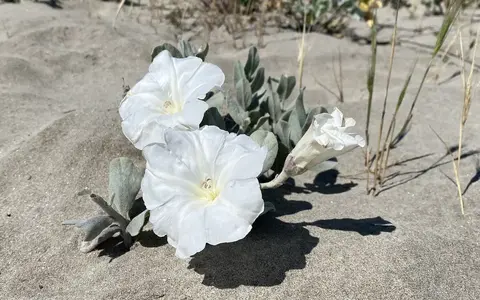
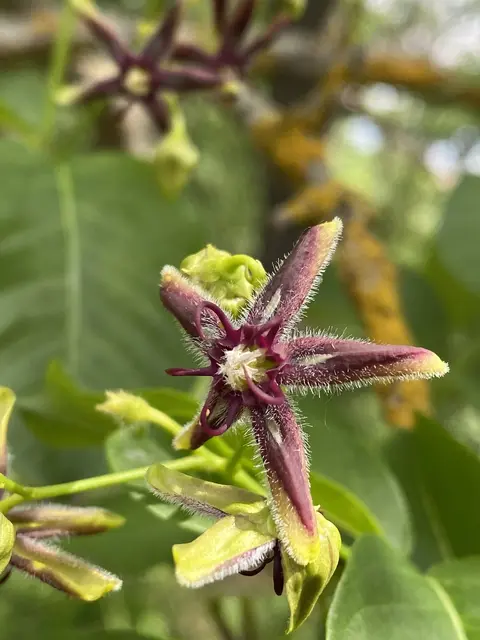
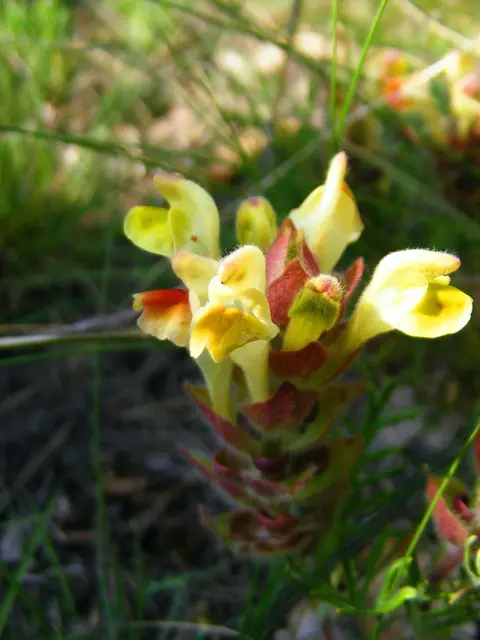
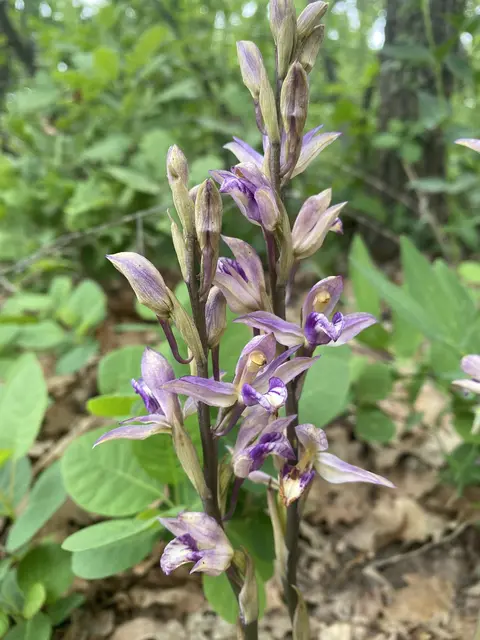
Bemerkenswerte Arten
Nutzung der interaktiven Checkliste
Die Tabelle kann nach Lebensraumtyp (Steppe, felsig, Wald, Feuchtgebiet, halophytisch, Küste), Endemismus-Niveau (endemisch, SO-europäisch, regional) und Schutzstatus (geschützt, selten, häufig) gefiltert werden. Diese Struktur hilft Botanikern, Teilnehmern an Naturreisen und Naturfotografen, die für verschiedene Lebensräume der Dobrudscha charakteristischen Arten zu identifizieren.
Interaktive Flora-Checkliste — Dobrudscha, Rumänien
Vollständige Checkliste von 120 Arten aus Natura-2000-Lebensräumen in der Dobrudscha — filtern nach Lebensraum, Endemismus oder Schutzstatus.
Zeige 120 von 120 Arten
| ✓ | # | Wissenschaftlicher Name | Hauptlebensraum | Lebensraumtyp | Endemismus | Schutzstatus | N2K |
|---|---|---|---|---|---|---|---|
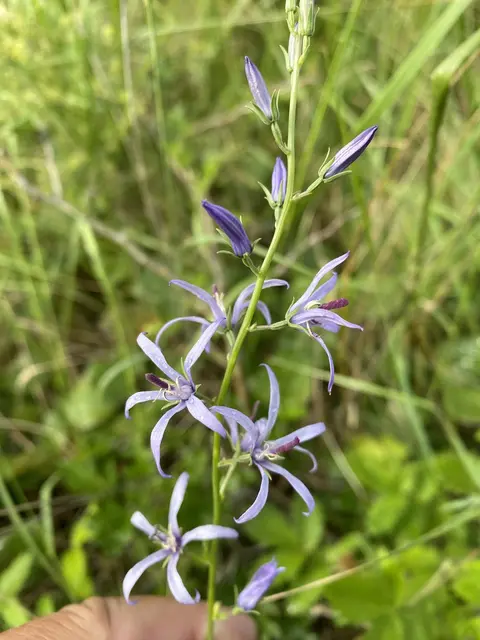
| 1 | Campanula romanica | Măcin Mountains | Rocky steppe | Endemic | Protected | ✓ | |
| 2 | Ferula mikraskythiana | Dobrogea | Rocky slopes | Endemic | Protected | ✓ | |
| 3 | Euphorbia dobrogensis | Dobrogea | Steppe | Endemic | Rare | ✓ | |
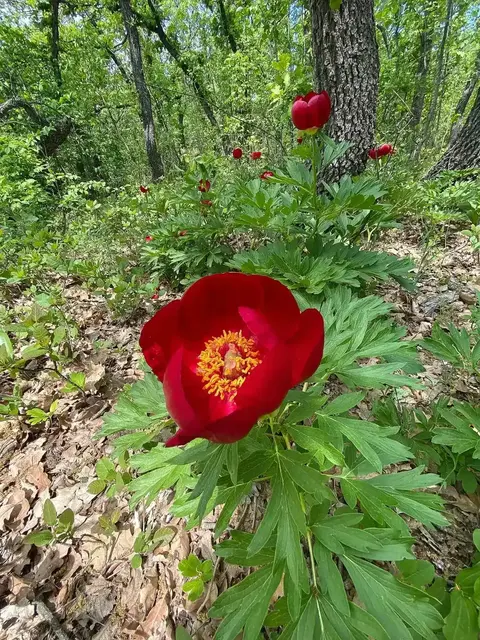
| 4 | Paeonia tenuifolia | Pontic steppe | Steppe | Regional | Protected | ✓ | |
| 5 | Stipa capillata | Dry grasslands | Steppe | — | Common | ✓ | |
| 6 | Stipa ucrainica | Dry grasslands | Steppe | Regional | Rare | ✓ | |
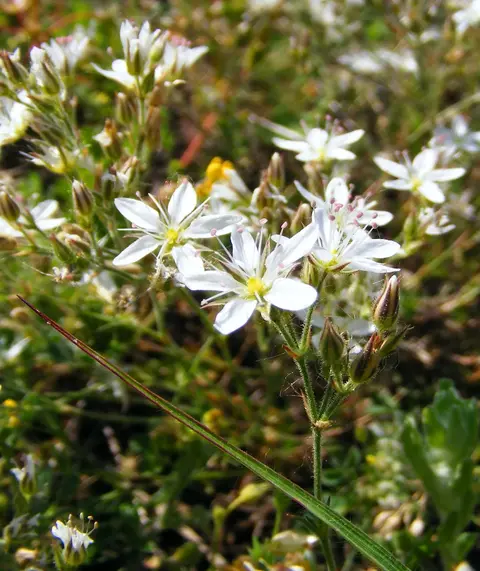
| 7 | Stipa lessingiana | Dry grasslands | Steppe | Regional | Rare | ✓ | |
| 8 | Festuca valesiaca | Xeric grasslands | Steppe | — | Common | ✓ | |
| 9 | Koeleria lobata | Dry slopes | Steppe | Regional | Rare | ✓ | |
| 10 | Bothriochloa ischaemum | Dry slopes | Steppe | — | Common | ✓ | |
| 11 | Dichanthium ischaemum | Dry slopes | Steppe | — | Common | ✓ | |
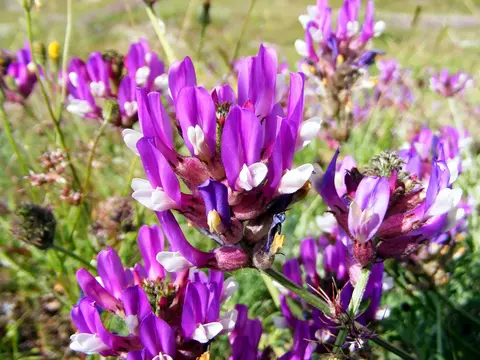
| 12 | Astragalus ponticus | Dry slopes | Steppe | Regional | Rare | ✓ | |
| 13 | Astragalus glaucus | Dry slopes | Steppe | Regional | Rare | ✓ | |
| 14 | Salvia nutans | Steppe | Steppe | Regional | Common | ✓ | |
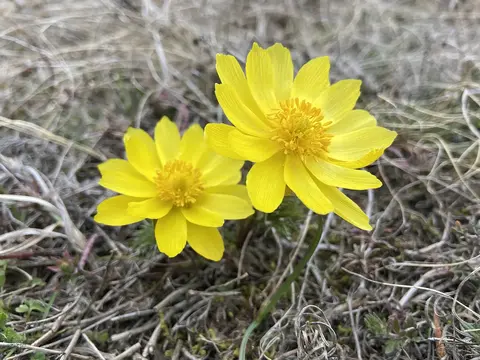
| 15 | Adonis vernalis | Steppe | Steppe | Regional | Protected | ✓ | |
| 16 | Pulsatilla pratensis | Steppe | Steppe | Regional | Protected | ✓ | |
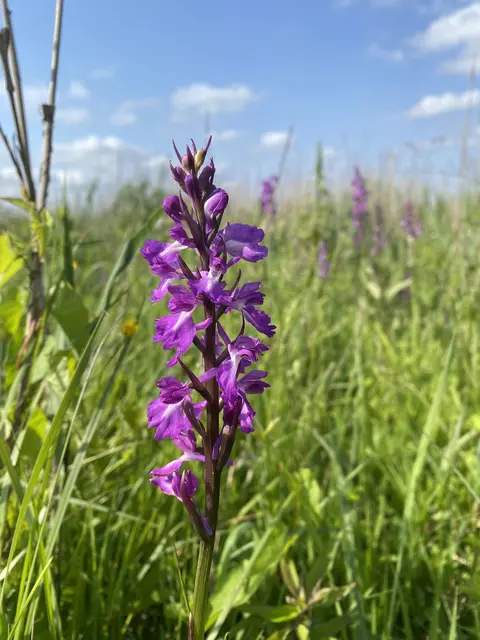
| 17 | Himantoglossum caprinum | Steppe | Orchid grassland | Regional | Protected | ✓ | |
| 18 | Ophrys oestrifera | Steppe | Orchid grassland | Regional | Protected | �� | |
| 19 | Neotinea tridentata | Steppe | Orchid grassland | Regional | Protected | ✓ | |
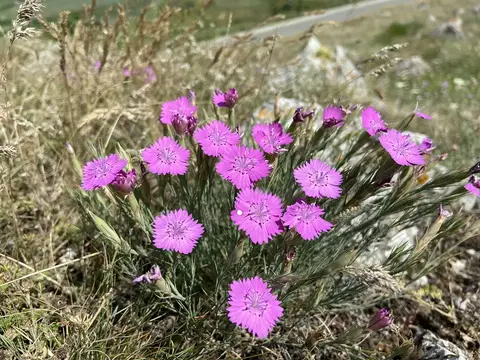
| 20 | Dianthus nardiformis | Rocky slopes | Rocky steppe | Regional | Rare | ✓ | |
| 21 | Moehringia jankae | Măcin | Rocky outcrops | SE European | Protected | ✓ | |
| 22 | Moehringia grisebachii | Măcin | Rocky outcrops | SE European | Rare | ✓ | |
| 23 | Silene cserei | Rocky habitats | Rocky steppe | SE European | Rare | ✓ | |
| 24 | Ephedra distachya | Sandy soils | Steppe | Regional | Rare | ✓ | |
| 25 | Achillea clypeolata | Rocky slopes | Rocky steppe | Regional | Common | ✓ | |
| 26 | Asphodeline lutea | Rocky slopes | Rocky steppe | Regional | Rare | ✓ | |
| 27 | Quercus pubescens | Thermophilous forest | Forest | — | Common | ✓ | |
| 28 | Quercus frainetto | Silvosteppe | Forest | Regional | Common | ✓ | |
| 29 | Quercus cerris | Thermophilous forest | Forest | Regional | Common | ✓ | |
| 30 | Carpinus orientalis | Dry forests | Forest | Regional | Common | ✓ | |
| 31 | Tilia tomentosa | Forest | Forest | Regional | Common | ✓ | |
| 32 | Fraxinus ornus | Thermophilous forest | Forest | Regional | Common | ✓ | |
| 33 | Acer tataricum | Forest margin | Forest | Regional | Common | ✓ | |
| 34 | Paliurus spina-christi | Forest margin | Shrubland | Regional | Rare | ✓ | |
| 35 | Jasminum fruticans | Forest margin | Shrubland | Regional | Rare | ✓ | |
| 36 | Cotinus coggygria | Forest margin | Shrubland | Regional | Common | ✓ | |
| 37 | Eryngium maritimum | Coastal dunes | Coastal dune | Regional | Protected | ✓ | |
| 38 | Alyssum borzaeanum | Coastal dunes | Coastal dune | SE European | Protected | ✓ | |
| 39 | Crambe maritima | Littoral | Coastal | Regional | Rare | ✓ | |
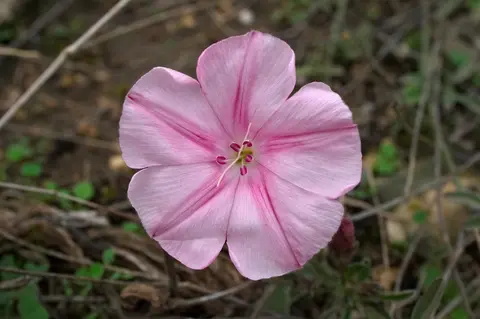
| 40 | Convolvulus persicus | Coastal sands | Coastal dune | Regional | Rare | ✓ | |
| 41 | Limonium gmelinii | Salt marsh | Halophytic | Regional | Rare | ✓ | |
| 42 | Salicornia europaea | Salt marsh | Halophytic | — | Common | ✓ | |
| 43 | Suaeda maritima | Salt marsh | Halophytic | — | Common | ✓ | |
| 44 | Puccinellia distans | Salt marsh | Halophytic | — | Common | ✓ | |
| 45 | Plantago maritima | Salt marsh | Halophytic | Regional | Rare | ✓ | |
| 46 | Phragmites australis | Reed beds | Wetland | — | Common | ✓ | |
| 47 | Typha latifolia | Wetland | Wetland | — | Common | ✓ | |
| 48 | Typha angustifolia | Wetland | Wetland | — | Common | ✓ | |
| 49 | Nymphaea alba | Lakes | Wetland | — | Protected | ✓ | |
| 50 | Nuphar lutea | Lakes | Wetland | — | Protected | ✓ | |
| 51 | Trapa natans | Slow waters | Wetland | — | Protected | ✓ | |
| 52 | Hydrocharis morsus-ranae | Wetland | Wetland | — | Rare | ✓ | |
| 53 | Butomus umbellatus | Wetland | Wetland | — | Common | ✓ | |
| 54 | Alisma plantago-aquatica | Wetland | Wetland | — | Common | ✓ | |
| 55 | Dactylorhiza incarnata | Wet meadow | Wetland | — | Protected | ✓ | |
| 56 | Platanthera chlorantha | Forest | Orchid forest | — | Protected | ✓ | |
| 57 | Cephalanthera damasonium | Forest | Orchid forest | — | Protected | ✓ | |
| 58 | Orchis purpurea | Forest | Orchid forest | — | Protected | ✓ | |
| 59 | Orchis simia | Forest | Orchid forest | Regional | Protected | ✓ | |
| 60 | Anacamptis morio | Grassland | Orchid grassland | — | Protected | ✓ | |
| 61 | Galatella villosa | Dobrogea | Steppe | — | Common | ✓ | |
| 62 | Scorzonera hispanica | Dobrogea | Steppe | — | Common | ✓ | |
| 63 | Linum austriacum | Dobrogea | Steppe | — | Common | ✓ | |
| 64 | Linum flavum | Dobrogea | Steppe | — | Common | ✓ | |
| 65 | Gypsophila paniculata | Dobrogea | Steppe | — | Common | ✓ | |
| 66 | Onosma arenaria | Dobrogea | Steppe | — | Common | ✓ | |
| 67 | Verbascum phoeniceum | Dobrogea | Steppe | — | Common | ✓ | |
| 68 | Echinops ruthenicus | Dobrogea | Steppe | — | Common | ✓ | |
| 69 | Helichrysum arenarium | Dobrogea | Steppe | — | Common | ✓ | |
| 70 | Artemisia austriaca | Dobrogea | Steppe | — | Common | ✓ | |
| 71 | Centaurea jankae | Dobrogea | Steppe | — | Common | ✓ | |
| 72 | Centaurea gracilenta | Dobrogea | Steppe | — | Common | ✓ | |
| 73 | Allium flavum | Dobrogea | Steppe | — | Common | ✓ | |
| 74 | Allium guttatum | Dobrogea | Steppe | — | Common | ✓ | |
| 75 | Allium saxatile | Dobrogea | Steppe | — | Common | ✓ | |
| 76 | Gagea bulbifera | Dobrogea | Steppe | — | Common | ✓ | |
| 77 | Gagea szovitzii | Dobrogea | Steppe | — | Common | ✓ | |
| 78 | Scilla bifolia | Dobrogea | Steppe | — | Common | ✓ | |
| 79 | Berberis vulgaris | Dobrogea | Steppe | — | Common | ✓ | |
| 80 | Cornus mas | Dobrogea | Steppe | — | Common | ✓ | |
| 81 | Viburnum lantana | Dobrogea | Steppe | — | Common | ✓ | |
| 82 | Crataegus monogyna | Dobrogea | Steppe | — | Common | ✓ | |
| 83 | Prunus spinosa | Dobrogea | Steppe | — | Common | ✓ | |
| 84 | Rosa canina | Dobrogea | Steppe | — | Common | ✓ | |
| 85 | Populus alba | Dobrogea | Steppe | — | Common | ✓ | |
| 86 | Salix alba | Dobrogea | Steppe | — | Common | ✓ | |
| 87 | Salix fragilis | Dobrogea | Steppe | — | Common | ✓ | |
| 88 | Carex distans | Dobrogea | Steppe | — | Common | ✓ | |
| 89 | Carex melanostachya | Dobrogea | Steppe | — | Common | ✓ | |
| 90 | Juncus maritimus | Dobrogea | Steppe | — | Common | ✓ | |
| 91 | Schoenoplectus lacustris | Dobrogea | Steppe | — | Common | ✓ | |
| 92 | Bolboschoenus maritimus | Dobrogea | Steppe | — | Common | ✓ | |
| 93 | Atriplex tatarica | Dobrogea | Steppe | — | Common | ✓ | |
| 94 | Chenopodium album | Dobrogea | Steppe | — | Common | ✓ | |
| 95 | Polygonum aviculare | Dobrogea | Steppe | — | Common | ✓ | |
| 96 | Rumex acetosa | Dobrogea | Steppe | — | Common | ✓ | |
| 97 | Rumex crispus | Dobrogea | Steppe | — | Common | ✓ | |
| 98 | Plantago lanceolata | Dobrogea | Steppe | — | Common | ✓ | |
| 99 | Saponaria officinalis | Dobrogea | Steppe | — | Common | ✓ | |
| 100 | Hypericum perforatum | Dobrogea | Steppe | — | Common | ✓ | |
| 101 | Daucus carota | Dobrogea | Steppe | — | Common | ✓ | |
| 102 | Thalictrum minus | Dobrogea | Steppe | — | Common | ✓ | |
| 103 | Adonis flammea | Dobrogea | Steppe | — | Common | ✓ | |
| 104 | Potentilla recta | Dobrogea | Steppe | — | Common | ✓ | |
| 105 | Minuartia mesogitana | Dobrogea | Steppe | — | Common | ✓ | |
| 106 | Sedum hillebrandtii | Dobrogea | Steppe | — | Common | ✓ | |
| 107 | Teucrium chamaedris | Dobrogea | Steppe | — | Common | ✓ | |
| 108 | Vinca herbacea | Dobrogea | Steppe | — | Common | ✓ | |
| 109 | Salvia ringens | Dobrogea | Steppe | — | Common | ✓ | |
| 110 | Pimpinella tragium | Dobrogea | Steppe | — | Common | ✓ | |
| 111 | Aurinia saxatilis | Dobrogea | Steppe | — | Common | ✓ | |
| 112 | Hieracium echioides | Dobrogea | Steppe | — | Common | ✓ | |
| 113 | Bromus squarrosus | Dobrogea | Steppe | — | Common | ✓ | |
| 114 | Poa bulbosa | Dobrogea | Steppe | — | Common | ✓ | |
| 115 | Carex humilis | Dobrogea | Steppe | — | Common | ✓ | |
| 116 | Avena barbata | Dobrogea | Steppe | — | Common | ✓ | |
| 117 | Artemisia santonicum | Dobrogea | Steppe | — | Common | ✓ | |
| 118 | Limonium meyeri | Dobrogea | Steppe | — | Common | ✓ | |
| 119 | Salicornia perennans | Dobrogea | Steppe | — | Common | ✓ | |
| 120 | Spergularia marina | Dobrogea | Steppe | — | Common | ✓ |
Keine Arten entsprechen Ihren aktuellen Filtern.
Felsensteppe · Măcin-Gebirge
Măcin-Gebirge — Endemiten und Steppenrelikte
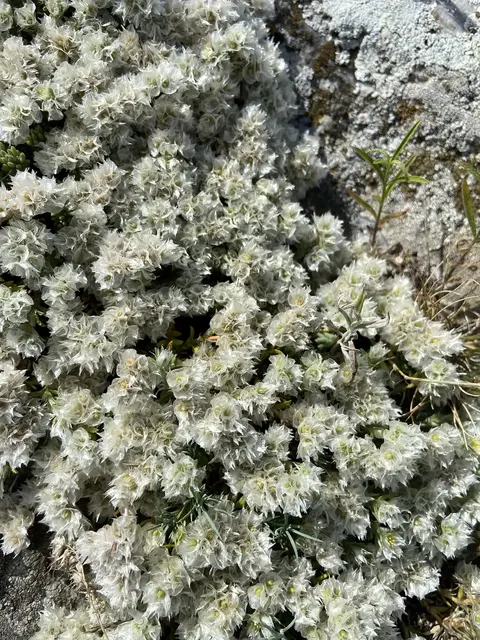
Das Măcin-Gebirge, Teil des alten herzynischen Massivs, erhebt sich nur auf 467 m, beherbergt aber einen unverhältnismäßig großen botanischen Reichtum. Felsaufschlüsse und dünne Steppenböden bieten Lebensraum für eng verbreitete Endemiten neben pontischen und submediterranen Elementen. Der Nationalpark schützt einige der bedeutendsten Steppengrünland-Lebensräume Rumäniens.
Trockenrasen · Babadag-Plateau
Pontische Steppengrünländer
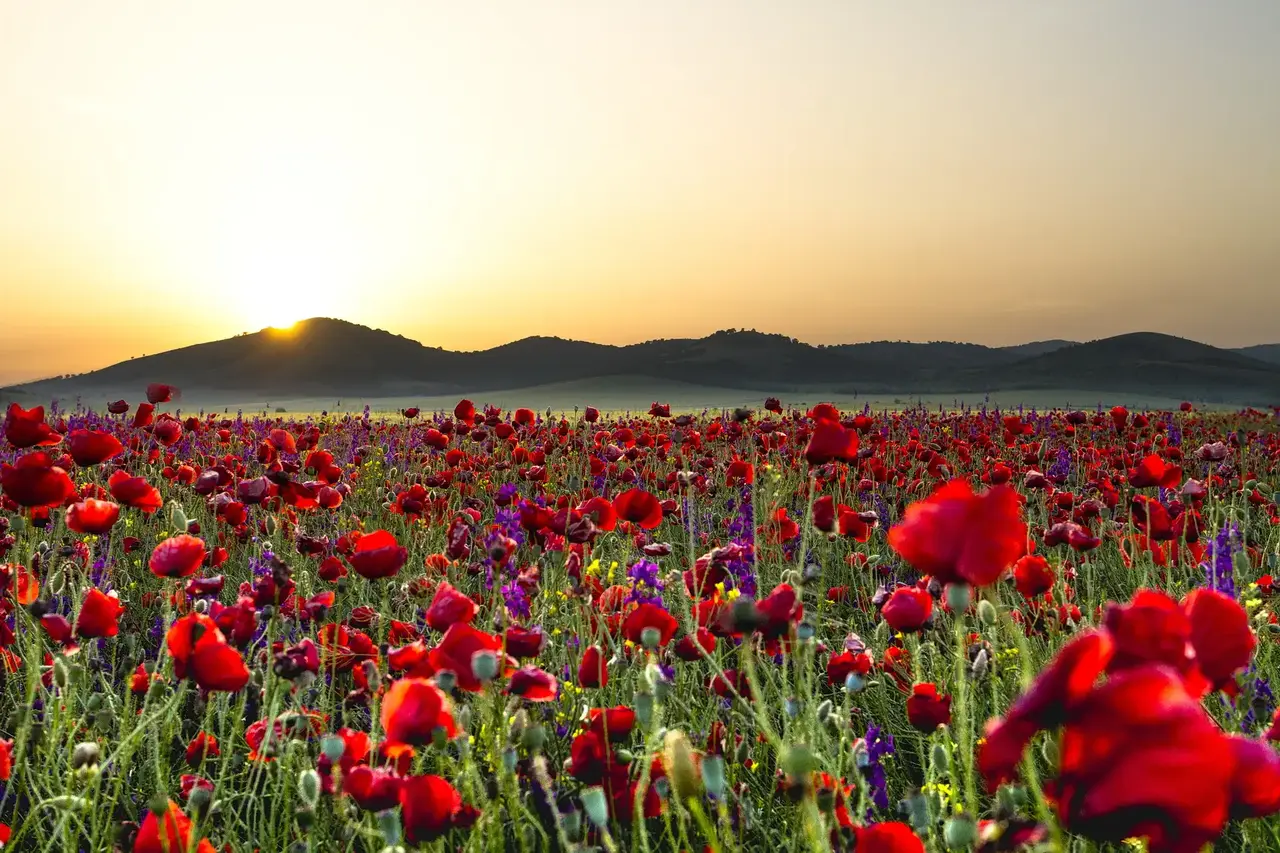
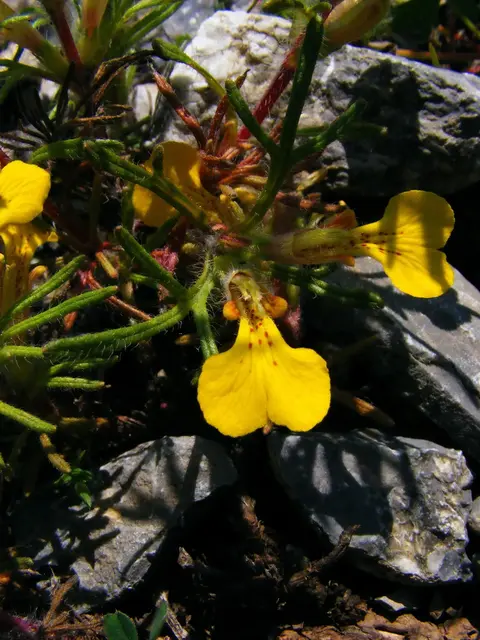
Die Trockenrasen des Babadag-Plateaus und der umliegenden Tiefebenen stellen den westlichen Rand des ausgedehnten pontischen Steppengürtels dar. Diese artenreichen Lebensräume umfassen Orchideen-Grasland, xerische Hänge und Waldsteppen-Übergänge. Viele charakteristische Arten sind an Trockenheit, dünne Böden und hohe Sommertemperaturen angepasst.
Küsten- & halophytische Lebensräume
Küstendünen, Salzmarschen und Feuchtgebiete
Die Schwarzmeerküste und die südlichen Ränder des Donaudeltas beherbergen charakteristische halophytische und psammophile Gemeinschaften. Salzmarschen beherbergen Queller und Strandflieder; Küstendünen werden durch Strandquecke und Stranddistel stabilisiert. Süßwasser-Feuchtgebiete hinter der Küste bieten Lebensraum für Wasserarten, darunter Seerosen und Laichkräuter.
Naturschutz · Dobrudscha
Pflanzen als Indikatoren für Lebensraumqualität
Das Fortbestehen von Steppenendemiten und orchideenreichen Grasländern in der Dobrudscha spiegelt das Überleben von Lebensräumen wider, die in weiten Teilen Europas verloren gegangen sind. Viele dieser Pflanzengemeinschaften sind prioritäre Natura-2000-Lebensraumtypen, was die Dobrudscha zu einer der wichtigsten Regionen Rumäniens für den botanischen Naturschutz macht. Anhaltende Bedrohungen umfassen Landnutzungswandel, Überweidung und invasive Arten.
Häufig gestellte Fragen
Was macht die Flora der Dobrudscha in Rumänien einzigartig?
Die Dobrudscha beherbergt eine besondere Zusammensetzung pontisch-mediterraner, Steppen- und submediterraner Pflanzenarten, die anderswo in Rumänien nicht vorkommen. Die alte Geologie der Region, das warm-kontinental-maritime Klima und die Nähe zum Schwarzen Meer schaffen Bedingungen für mehrere endemische und regional seltene Arten, insbesondere an den Felshängen des Măcin-Gebirges und den Trockenrasen des Babadag-Plateaus.
Gibt es endemische Pflanzen in der Dobrudscha?
Ja. Die Dobrudscha beherbergt mehrere rumänische Endemiten, darunter Campanula romanica, Ferula mikraskythiana und Euphorbia dobrogensis, neben Arten mit einer weiteren südosteuropäischen Verbreitung wie Astragalus ponticus und Paeonia peregrina. Viele davon sind auf die Felsensteppe des Măcin-Gebirges und umgebende trockene Lebensräume beschränkt.
Wann ist die beste Zeit, um Wildblumen in der Dobrudscha zu sehen?
Die Hauptblütezeit erstreckt sich von April bis Juni. Der Frühling bringt Orchideen und Steppenzwiebeln; im späten Frühling sind die Grasländer am artenreichsten mit pontischen Steppenarten in voller Blüte. Halophytische und Feuchtgebietsarten blühen bis Juli und August an der Küste und am Rand des Donaudeltas weiter.
Welche Natura-2000-Lebensräume gibt es in der Dobrudscha?
Die Dobrudscha enthält mehrere prioritäre Natura-2000-Lebensraumtypen, darunter pontische Steppengrünländer, submediterrane Trockenrasen, halophytische Sümpfe und Küstensanddünen. Alle 120 Arten in dieser Checkliste sind mit Natura-2000-Lebensraumtypen verbunden, was den hohen Naturschutzwert der Region widerspiegelt.
Flora-Fotogalerie
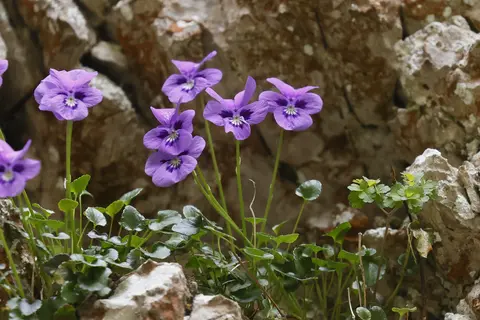
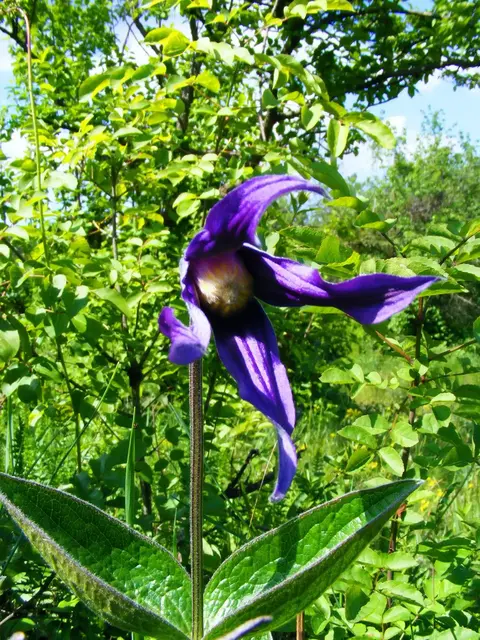
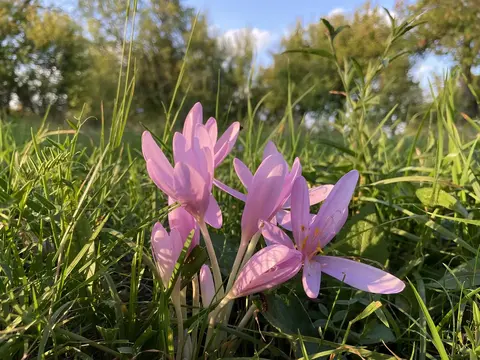
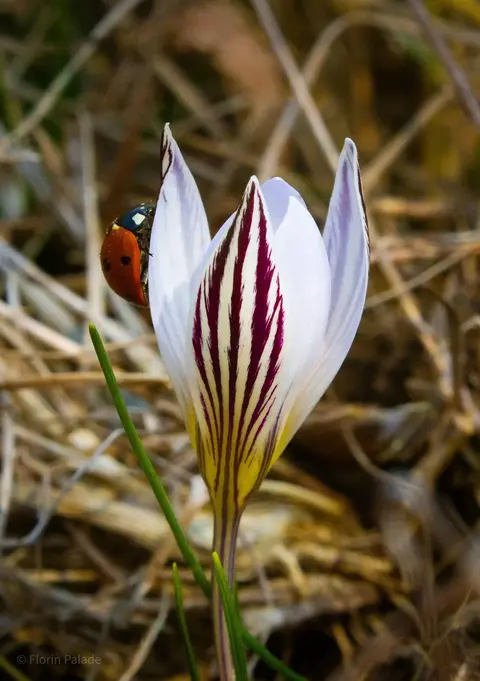
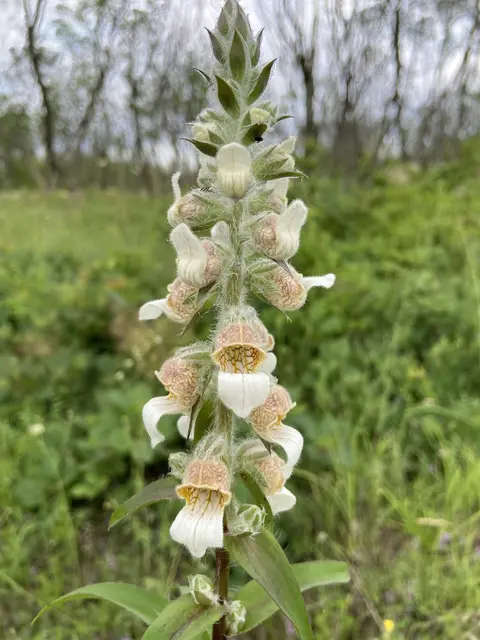
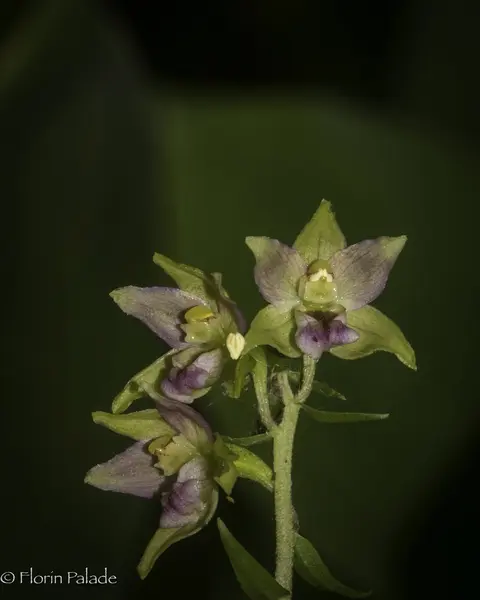
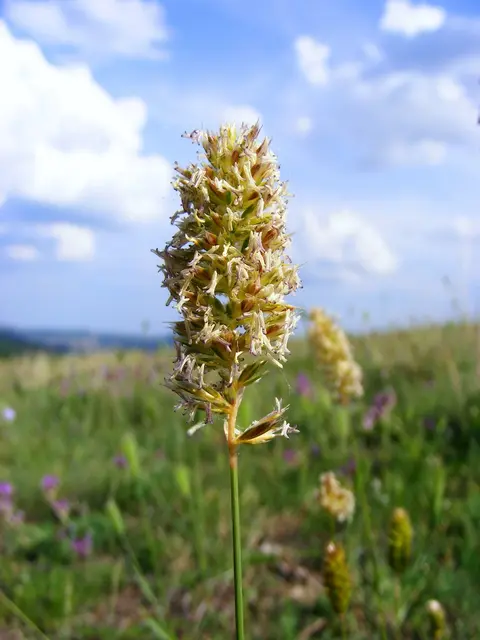
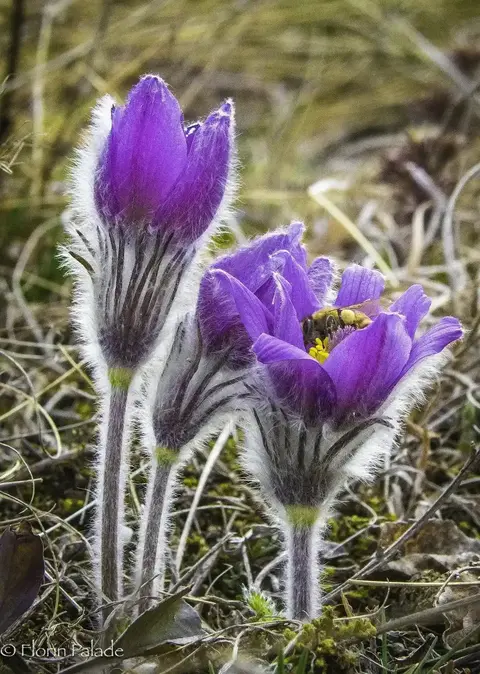
Feldaufnahmen aus den wichtigsten Lebensräumen der Dobrudscha — Orchideen, Steppenzwiebeln, alpine und Küstenspezialisten.